Sirens, Shelters and Strain: How the Iran–Israel War Is Reshaping Daily Life Across the Region
The Sound of Sirens
JERUSALEM — The sirens begin suddenly, their rising wail cutting across crowded streets and quiet neighborhoods alike. Within seconds, daily life halts.
Drivers pull to the side of the road. Parents gather children. Pedestrians run toward shelters or reinforced rooms built into homes and apartment buildings.
Across Israel, missile alerts have become a defining feature of daily life as tensions with Iran escalate into open confrontation. The alarms, triggered by missile launches and drone threats, have repeatedly sent millions of Israelis rushing into shelters — sometimes several times in a single day.
The alerts have sounded across some of Israel’s largest cities, including Tel Aviv, Jerusalem and Haifa, as well as smaller towns across central and northern parts of the country.
According to Israeli military officials, incoming missiles launched from Iran triggered the activation of the country’s layered air-defense systems, sending interceptor rockets streaking into the sky as defense batteries attempted to neutralize the threats.
But the impact of the conflict extends far beyond the moment when sirens sound.
For Israelis — and for communities across the region, particularly in neighboring Lebanon — the war is reshaping daily routines, economic stability and psychological well-being.
Life Between Alerts
In many Israeli cities, daily life now unfolds in cautious intervals between warnings.
Schools in some areas have shifted schedules or moved classes online when alerts intensify. Businesses close early during periods of heightened tension. Public transportation occasionally slows or stops as security officials evaluate threats.
Residents describe a persistent sense of uncertainty.
Families often keep emergency supplies near shelter doors. Many sleep lightly with phones nearby, ready to respond to late-night alerts.
Israel’s civil defense system — developed over decades of conflict — provides residents with anywhere from 15 seconds to roughly one minute to reach shelter once a siren sounds.
Even with preparation, the emotional strain can be significant.
Mental-health specialists report rising levels of anxiety among children and elderly residents during prolonged periods of alerts. Parents often attempt to reassure children while simultaneously monitoring emergency notifications.
“Across Israel, daily life now unfolds in cautious intervals between missile alerts, with families measuring time in seconds to reach shelter.”
Pressure on Civilian Infrastructure
The escalation has also placed strain on Israel’s infrastructure.
Hospitals across the country have activated emergency procedures, transferring vulnerable patients into underground wards designed to withstand missile strikes.
Emergency medical teams remain on heightened readiness in case of impacts.
Airports and major transportation hubs have temporarily suspended operations during periods of high alert, disrupting travel and supply chains.
Meanwhile, Israel’s air-defense systems operate almost continuously during waves of missile launches. Systems such as Iron Dome, David’s Sling and the Arrow interceptor network work together to track and intercept incoming threats.
Each interception represents a complex and expensive defensive operation, underscoring the intensity of the confrontation.
For civilians, however, the central concern remains safety.
Every siren carries the possibility that a missile might evade interception.
The Northern Front: Lebanon
If Israelis experience the conflict through sirens and shelters, Lebanon feels its effects through growing instability along the southern border.
Communities near the Israeli frontier have witnessed periodic exchanges of fire between Israeli forces and armed groups operating in the region, including Hezbollah.
Some villages close to the border have seen residents leave temporarily amid fears that the conflict could widen into a larger war.
Lebanon is particularly vulnerable to escalation.
The country has spent years struggling with economic collapse, political paralysis and fragile public services. Any widening conflict could place additional pressure on already strained infrastructure.
Farmers in southern Lebanon report difficulty accessing farmland near the border due to security concerns. Schools in some areas have closed as families move farther north to avoid potential hostilities.
Local officials warn that a broader conflict could displace thousands of residents in border communities.
Human Stories Behind the Headlines
For many families, the war is experienced not through military briefings but through small moments of disruption and fear.
In Tel Aviv, parents describe practicing shelter drills with young children who now recognize the sound of the siren almost instantly.
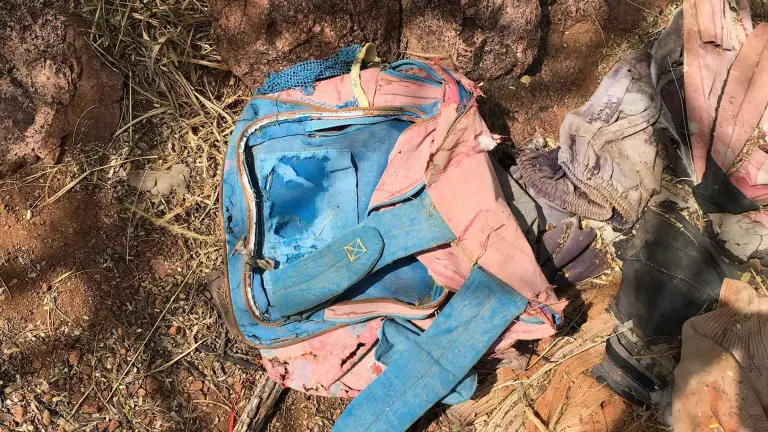
Some families keep backpacks packed with water, flashlights and essential documents near safe rooms.
In southern Lebanon, residents of border villages face similar uncertainty. Families debate whether to remain in their homes or relocate temporarily to relatives farther north.
Shop owners report quieter streets. Teachers describe classrooms with fewer students as families move away from areas they fear could become front lines.
These personal stories rarely appear in official casualty counts, yet they reflect the deeper social impact of conflict.
For civilians on both sides of the border, the war is not only about missiles and military strategy — it is about the fragile routines of everyday life.
“For civilians in Israel and Lebanon alike, the conflict is not only a geopolitical confrontation but a disruption of ordinary life — schools closed, homes abandoned and communities living on constant alert.”
Timeline of Escalation
Rising tensions
Regional tensions increase amid exchanges between Israel and Iran-aligned groups.
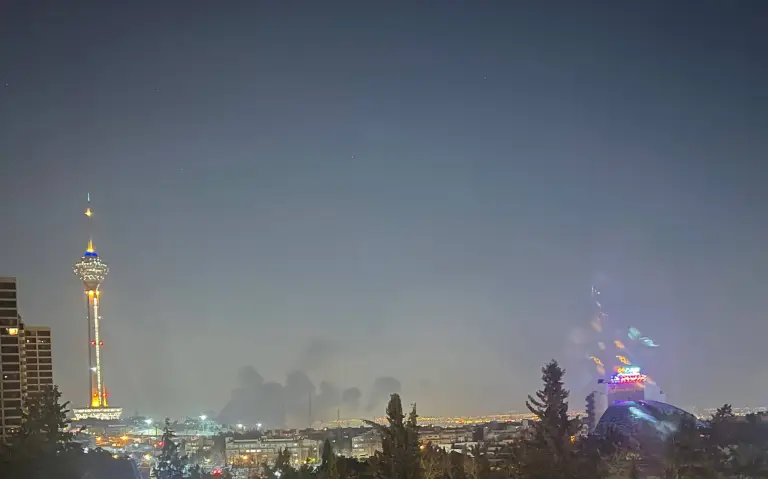
Israeli strike on Tehran
Israel launches what it describes as a pre-emptive strike targeting Iranian facilities.
Iranian retaliation
Missiles and drones are launched toward Israel.
Nationwide alerts in Israel
Air-raid sirens send millions of Israelis rushing to shelters.
Northern border tensions
Security incidents increase along the Israel–Lebanon frontier.
Regional concern
International officials warn that the conflict could expand across the Middle East.
Explainer: Israel’s Missile Defense System
Israel operates a multi-layered air-defense network designed to intercept threats at different ranges.
Iron Dome
Intercepts short-range rockets and artillery.
David’s Sling
Targets medium-range missiles and cruise missiles.
Arrow System
Designed to intercept long-range ballistic missiles, often outside the atmosphere.
Together with radar detection and nationwide alert networks, these systems form one of the most sophisticated civilian protection systems in the world.
Sources :The New York Times, Reuters, BBC News, The Times of Israel, Al Jazeera English, United Nations Office for the Coordination of Humanitarian Affairs (OCHA)