I. The Protests Before the Firestorm
The first chants rose from Tehran’s Enghelab Square on a cold January evening in 2026. They were not political slogans at first — they were economic pleas. The rial had collapsed again, food prices had doubled, and salaries had gone unpaid for months.
By the second week of January, protests had spread to Mashhad, Shiraz, Tabriz, Ahvaz, and Kermanshah. Videos verified by AP and BBC showed crowds chanting for “bread, work, and dignity.” Security forces responded with tear gas, rubber bullets, and then live ammunition.
Iran’s Red Crescent and independent medical networks reported thousands of injuries in the first 10 days alone. Human rights groups documented hundreds killed, though exact numbers remain contested due to internet shutdowns and blocked hospital reporting.
What made these protests different from earlier waves was the desperation. People were not only demanding reform — they were begging for help. In several cities, crowds chanted:
“Help us. We cannot survive like this.”
The government blamed foreign interference. Protesters blamed the government’s foreign policy. The streets burned for weeks.
II. The Night the War Arrived
On February 28, 2026, the protests were still ongoing when the sky over Tehran lit up. Israel launched a coordinated strike on Iranian military and intelligence sites. Within hours, the United States joined the operation.
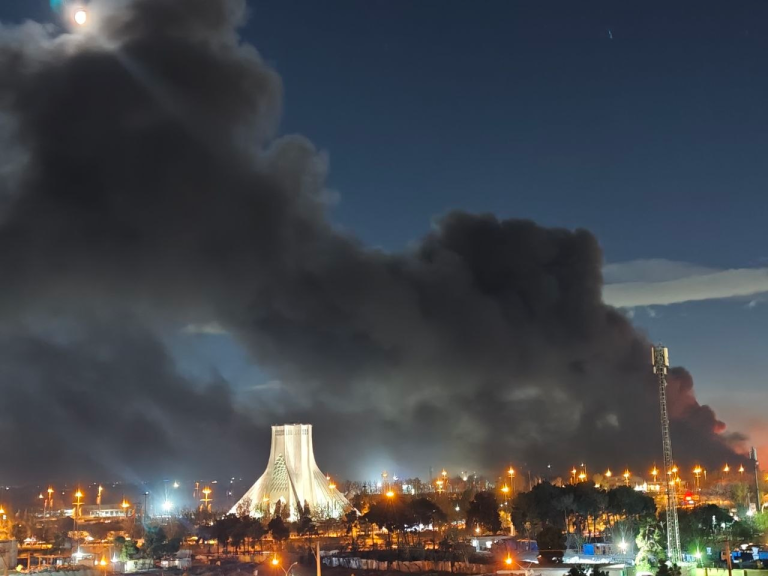
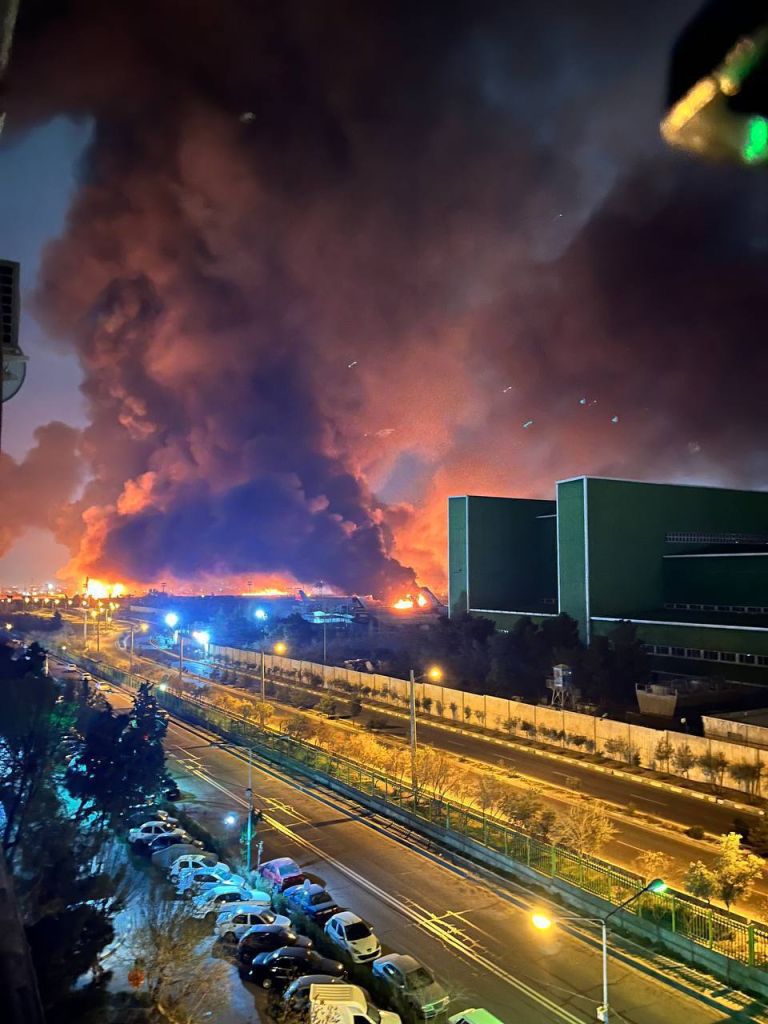
Explosions echoed across Tehran, Isfahan, Shiraz, Bandar Abbas, and Qom. Iranian state media broadcast images of burning buildings and shattered apartment blocks.
The Iranian Red Crescent, the country’s primary emergency response organization, released its first verified casualty report 36 hours later:
2,076 civilians killed
More than 26,500 injured
212 children among the dead
Over 1,600 children injured
These numbers were later confirmed by hospital networks in Tehran, Isfahan, and Hormozgan Province.
One of the deadliest incidents occurred in Minab, where a missile strike hit a girls’ elementary school. Red Crescent responders reported more than 150 fatalities, many of them children.
In Tehran, a strike near the Supreme Leader’s compound shattered residential towers, killing dozens of families in their sleep.
The Red Crescent described the situation as “a mass‑casualty event across multiple provinces.”
III. Hospitals in Collapse
Iran’s healthcare system, already strained by sanctions and years of underfunding, buckled under the weight of the war.
Doctors in Tehran told AP that they performed surgeries by flashlight during power outages. In Isfahan, a trauma hospital lost its oxygen supply after a nearby strike damaged the grid.
The Red Crescent confirmed:
Dozens of hospitals damaged
At least 14 medical facilities rendered partially or fully inoperable
Dozens of doctors, nurses, and paramedics killed or injured
One emergency physician in Shiraz described the scene:
“We had children with shrapnel wounds lying on the floor because we had no beds left.”
Medical workers became casualties themselves. Several were killed when secondary explosions struck areas where they were treating the wounded.
IV. The Human Toll: Children, Families, and the Displaced
The Red Crescent’s data paints a devastating picture of civilian suffering:
Children:
212 killed
1,621 injured
Many injured by collapsing buildings, flying debris, or fires
Women
240+ killed
4,000+ injured
Families displaced
Tens of thousands fled Tehran’s southern districts
Entire neighborhoods in Isfahan’s industrial belt evacuated
Schools converted into makeshift shelters
Satellite imagery analyzed by independent organizations confirmed widespread destruction of civilian infrastructure, including:
Residential towers
Schools
Water treatment facilities
Electrical substations
Public markets
The Red Crescent estimated over 115,000 civilian structures damaged or destroyed across multiple provinces.
V. Iran’s Retaliation and the Regional Spiral
Within hours of the first strikes, Iran launched missiles and drones toward Israel, U.S. bases in Iraq, and targets in Jordan, Saudi Arabia, and the UAE.
A drone even struck a British base in Cyprus, according to Reuters.
The region braced for escalation. Airspace across the Gulf shut down. Oil markets convulsed. Millions sheltered indoors.
VI. The Ceasefire That Collapsed
On April 8, Iran announced it had accepted a two‑week ceasefire. Negotiations began in Islamabad, mediated by Pakistan and Qatar. They lasted 20 hours — and failed.
Iran’s conditions (verified):
Full halt to U.S. and Israeli strikes
Lifting of maritime blockades
Guarantees against further attacks on Iranian soil
U.S. conditions (verified):
Iran must fully reopen the Strait of Hormuz
Iran must provide an affirmative commitment not to seek a nuclear weapon
Iran must halt regional proxy attacks
Iran’s foreign minister accused the U.S. of “maximalist demands.”
The U.S. accused Iran of “shifting positions.”
Hours after talks collapsed, President Trump ordered a full naval blockade of Iranian ports.
VII. The People Caught Between Governments
For ordinary Iranians, the war has been a second catastrophe layered atop the protest crackdown.
Families who lost children in January lost homes in March.
Doctors who treated protesters were killed in airstrikes.
Teachers who marched for economic dignity now teach in bomb‑damaged classrooms — if they teach at all.
The government blames the United States.
The United States blames the government.
Israel says it acted preemptively.
But the people paying the price are the same ones who filled the streets in January, demanding bread, dignity, and a future.
VIII. A Country Waiting for the Next Blow
Today, the ceasefire is fragile. The blockade remains. The protests have quieted only because the streets are too dangerous to gather.
Iran’s leadership is weakened.
The U.S. insists pressure must continue.
Israel continues strikes in Lebanon.
And inside Iran, the same question echoes from Tehran to Tabriz to Shiraz:
How much more can the people endure?
Sources:
Iranian Red Crescent casualty reports
Iranian hospital network statements
AP, NBC News, PBS, WBUR, Reuters, Guardian, Al Jazeera
Satellite‑verified damage assessments
Humanitarian organization reports
About The Author