“By Luxlexa Team”
TEHRAN — Long before the 2025 war, long before the airstrikes and sanctions and geopolitical storms that battered Iran from the outside, another conflict had already taken root inside the country — a quieter, more pervasive war waged not against foreign adversaries but against Iran’s own people. It is a war without front lines, fought in interrogation rooms, courtrooms, classrooms, and the digital spaces where Iranians speak, organize, and dream. It is a war that has lasted more than four decades, reshaping the relationship between state and citizen into one defined by fear, surveillance, and the constant threat of punishment.
The Islamic Republic’s machinery of control did not emerge overnight. It was built piece by piece, law by law, crackdown by crackdown, until repression became not an emergency measure but a governing philosophy. And when the 2025 war erupted, the system did not simply endure — it expanded. The conflict gave the state a new narrative of national emergency, a justification for tightening its grip, and a convenient pretext for silencing dissent at a moment when the freedom movement had reached its most powerful momentum in years.
This investigation traces how the regime’s internal repression evolved into a comprehensive system — political, economic, social, psychological, and digital — and how the war accelerated its reach. Through interviews, testimonies, and documented patterns, it reveals a country where the boundaries of private life have steadily eroded, replaced by a state that sees surveillance as security, dissent as treason, and fear as governance.
A System Built on Fear
On a cold morning in February 2025, a university student named “Sara” (her name changed for safety) was pulled from her dormitory by plainclothes officers. Her crime was not a protest, nor a public speech, nor even a political act. It was a private message she had sent to a friend — a short voice note expressing frustration with the government’s handling of the economy. The message had been flagged by automated monitoring software, part of the expanding Nazer surveillance system.
She was interrogated for two days. Her phone was confiscated. She was warned that “national security is not a joke.” She was released only after signing a pledge promising not to “spread negativity.”
Her story is not unusual. It is the architecture of repression in practice: a system designed to make every Iranian feel watched, vulnerable, and alone.
For decades, the state has relied on mass arrests to maintain control. During the 2025 conflict, more than 1,500 people were detained — journalists, students, women’s rights activists, labor organizers, and ordinary citizens accused of “spreading misinformation.” Many were arrested preemptively, not for what they had done but for what they might do. Revolutionary Courts processed cases in minutes, often without lawyers, issuing sentences that ranged from months in prison to death.
The war did not create this machinery. But it gave it fuel.
The Surge in Executions
In the months following the airstrikes, executions surged to levels described by the UN Fact-Finding Mission as “extraordinary.” Iran already had one of the highest execution rates in the world, but the post-war spike was politically significant. Those executed included protesters, ethnic minorities, and individuals accused of vague national security offenses such as “enmity against God.”
One of them was a 22-year-old Kurdish man named “Reza,” arrested during a small demonstration in Sanandaj. His family was not informed of his execution until after it had taken place. They were not allowed to see his body. They were told only that “justice had been served.”
His mother described the moment she learned the news: “It felt like the world ended in silence. They didn’t just take my son. They took our right to mourn.”
Withholding bodies is a tactic the state has used for years — a way to prevent funerals from becoming protests, to turn grief into isolation, to ensure that even death remains under control.
Digital Authoritarianism: The New Frontier
If the early decades of the Islamic Republic were defined by physical repression — arrests, raids, interrogations — the new era is defined by digital control. The Nazer system, once a limited network of traffic cameras, has evolved into a nationwide surveillance grid powered by facial recognition, behavioral analytics, and AI-assisted monitoring.
In Tehran, cameras track the movement of cars and pedestrians. In Mashhad, software analyzes gatherings to detect “unusual patterns.” In Shiraz, women receive automated text messages warning them about “improper hijab.” Social media posts are flagged within seconds. VPNs are blocked. Internet speeds are throttled during politically sensitive moments.
A former telecom engineer who fled Iran in 2024 described the system as “a digital cage built around 85 million people.”
The war accelerated this transformation. Authorities framed expanded surveillance as essential for “national security,” allowing them to deploy new technologies with minimal public scrutiny. What began as a tool for enforcing hijab laws has become a mechanism for monitoring dissent, tracking activists, and predicting unrest before it happens.
For many Iranians, the line between public and private life has dissolved. Phones are no longer personal devices but potential evidence. Conversations are no longer intimate but monitored. The home is no longer a sanctuary but a space where the state can enter through a screen.
Economic Repression: Poverty as Policy
While sanctions contributed to Iran’s economic collapse, the regime’s own policies — corruption, mismanagement, and security-driven priorities — have deepened poverty and inequality. Even as inflation soared and families struggled to afford basic necessities, the government increased funding for the IRGC, intelligence agencies, cyber surveillance, and propaganda networks.
Hospitals, schools, and public services deteriorated. Infrastructure crumbled. Teachers went unpaid. Doctors left the country in record numbers. Yet the security budget grew.
For many Iranians, poverty has become a form of political repression. When survival consumes every hour of the day, activism becomes a luxury. When rent, food, and medicine are unaffordable, protest becomes impossible.
A labor organizer in Ahvaz put it simply: “People are too busy surviving to resist.”
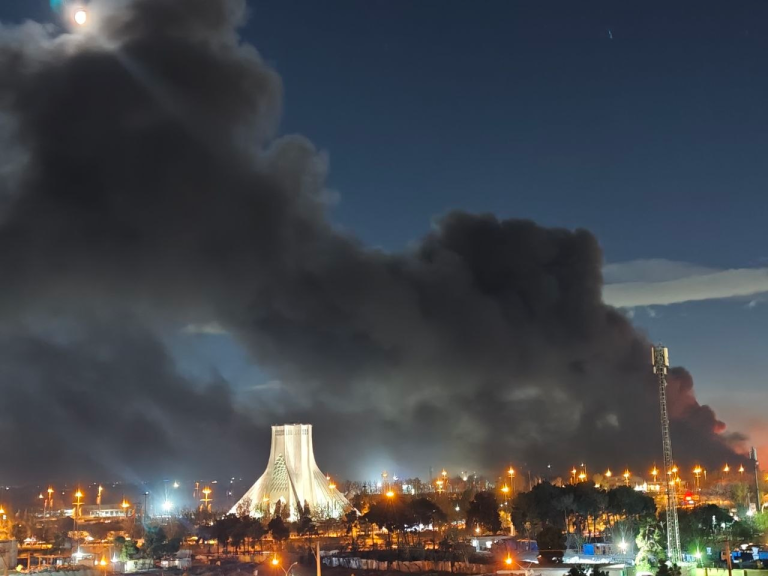
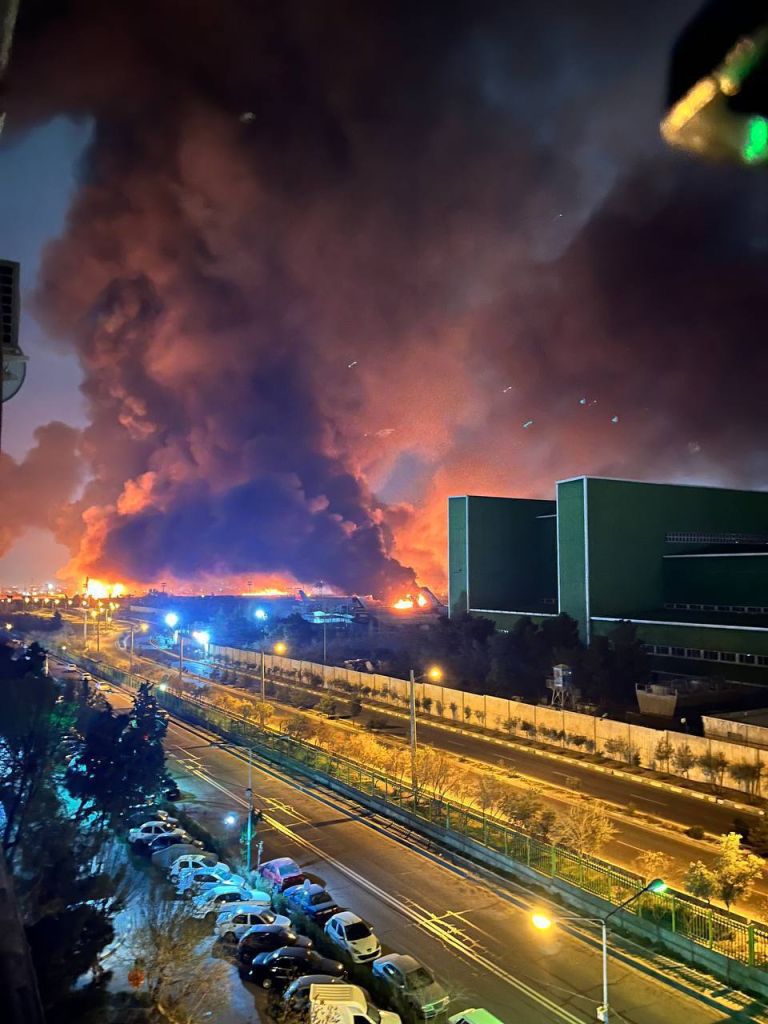
The 2025 war intensified this dynamic. Airstrikes damaged factories, roads, and power grids. Displacement increased. Prices surged. The government blamed foreign enemies, but the burden fell squarely on civilians.
Political Repression: Silencing Dissent
The Islamic Republic’s political repression is not episodic. It is systemic. It criminalizes criticism of the Supreme Leader, restricts independent journalism, and polices speech both online and offline.
During the war, censorship intensified. Platforms were blocked. Journalists were detained. Newspapers were instructed to “prioritize national unity.” University campuses — once centers of political debate — became heavily policed zones where students were monitored, disciplined, and arrested for even minor expressions of dissent.
Women faced heightened surveillance through the Nazer system. Ethnic minorities — particularly Kurds, Baluchis, and Ahwazis — faced increased military presence, higher arrest rates, and disproportionate executions.
A Baluchi teacher described the atmosphere in her province: “It feels like we live under occupation. Every street has a checkpoint. Every conversation feels dangerous.”
Psychological Repression: The Invisible Damage
Beyond arrests, executions, and surveillance lies another form of repression — psychological control. Iranians describe living in a state of chronic fear: fear of arrest, fear of surveillance, fear of economic collapse, fear of speaking openly, fear for their children’s future.
A psychologist in Tehran said her patients increasingly exhibit symptoms of trauma: insomnia, panic attacks, hypervigilance, and a pervasive sense of hopelessness. “People feel trapped,” she said. “They feel like the walls are closing in.”
Families of executed prisoners carry grief compounded by shame and isolation. Survivors of detention struggle with PTSD, nightmares, and distrust. Young people feel their futures shrinking.
A student in Mashhad said, “We are alone. The world pressures us. Our government pressures us. There is no space to breathe.”
How the War Strengthened the Machinery of Control
The 2025 war provided the regime with a powerful narrative: Iran was under attack, and unity was essential. Dissent became “collaboration with the enemy.” Criticism became “destabilization.” Activism became “national security threats.”
Emergency powers expanded. Surveillance deepened. Arrests increased. The protest movement — once vibrant and growing — lost momentum as fear spread.
The war did not weaken the regime. It fortified it.
The War’s Impact on the Freedom Movement
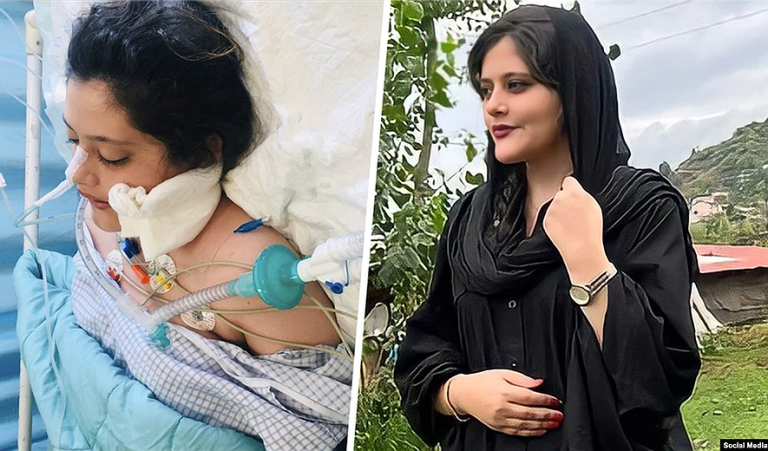
Before the war, Iran’s freedom movement — especially the Woman, Life, Freedom uprising — had achieved unprecedented unity. It brought together women, students, workers, ethnic minorities, and ordinary citizens demanding dignity and rights.
The war disrupted everything: organizing networks, public gatherings, international attention, media coverage, and the fragile hope that change was possible.
Instead of empowering civilians, the conflict strengthened the state’s grip and weakened the movement that had come closest to challenging it.
About The Author