“By Luxlexa Team”
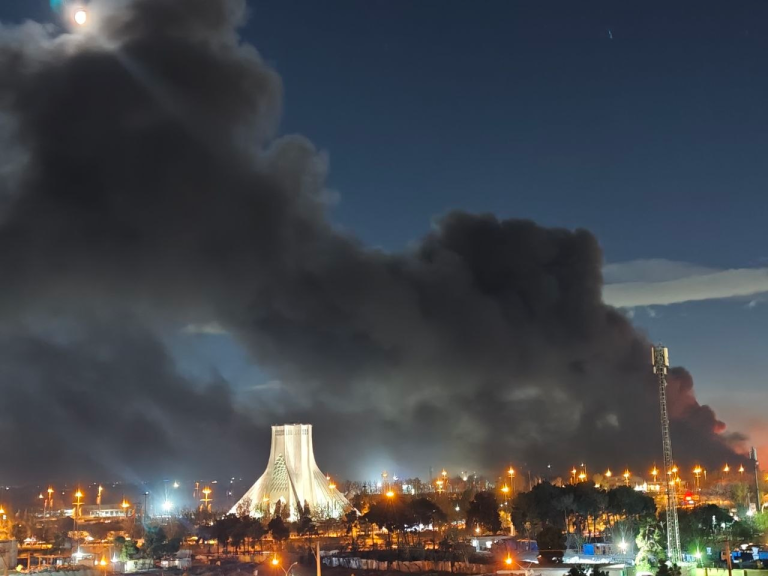
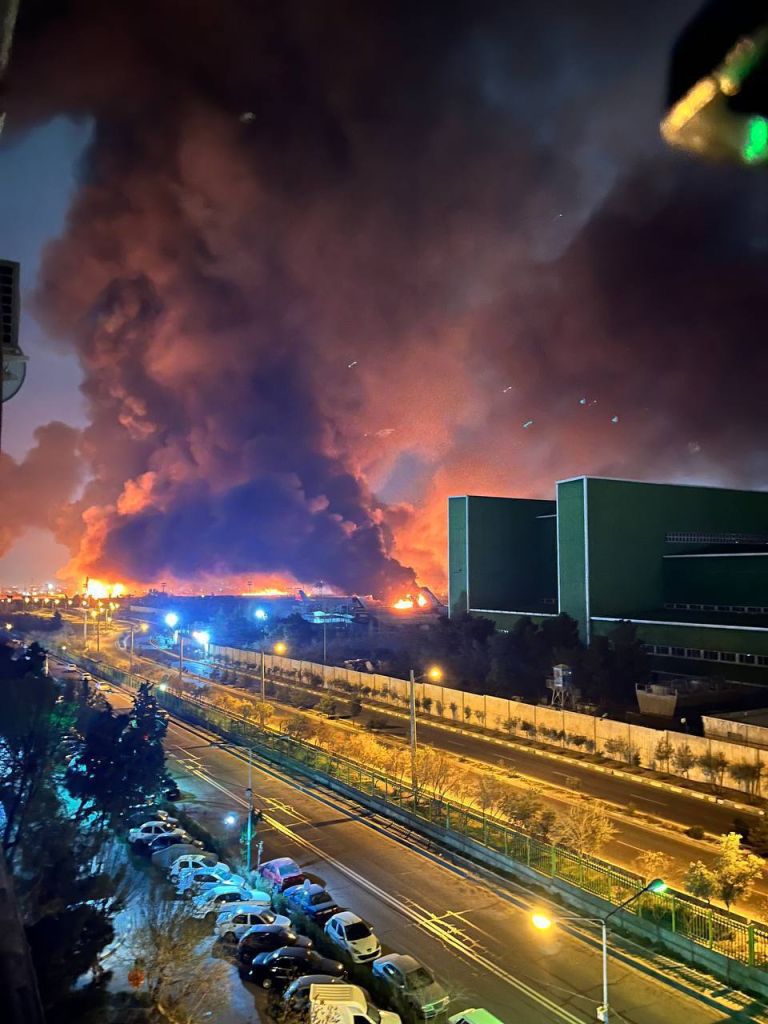
TEHRAN — In the months after the 2025 war, as the smoke cleared from bombed‑out neighborhoods and families tried to rebuild their lives piece by piece, a question began to echo across Iran: *What now?* It was whispered in kitchens, debated in taxis, murmured in hospital corridors, and typed into private group chats that Iranians hoped were safe from surveillance. It was a question born not only from destruction, but from exhaustion — the exhaustion of sanctions, repression, war, and a future that seemed to shrink with every passing year.
Iran today stands at a crossroads shaped by forces both internal and external. The war did not create the country’s crises, but it magnified them. It did not invent repression, but it deepened it. It did not silence the freedom movement, but it scattered it. And yet, beneath the weight of fear and uncertainty, something else persists — a quiet, stubborn insistence on imagining a different future.
This investigation explores what comes next for Iran: the political landscape reshaped by conflict, the social fabric strained but not broken, the economic wounds that continue to bleed, and the enduring hope that refuses to disappear. Through testimonies, expert analysis, and on‑the‑ground reporting, it reveals a nation suspended between despair and possibility.
A Political Landscape Hardened by Crisis
The war left Iran’s political system more rigid than ever. Hardliners emerged emboldened, framing the conflict as proof that the nation must remain vigilant, united, and obedient. Reformists — already weakened by years of marginalization — found themselves sidelined entirely. Civil society organizations struggled under new restrictions. Journalists faced heightened surveillance. Universities became battlegrounds where dissent was monitored, punished, or preemptively silenced.
A former political science professor in Tehran, dismissed after criticizing the government, described the atmosphere as “a suffocating stillness.” He said, “It feels like the walls have moved closer. There is less space to think, to speak, to breathe.”
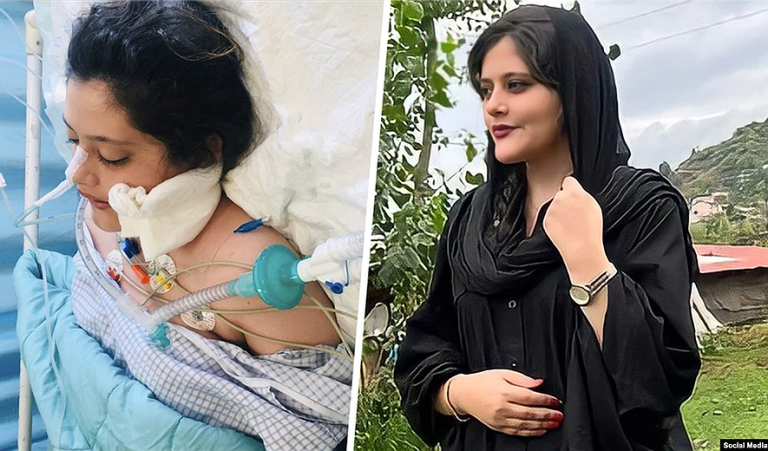
Yet beneath the surface, political discontent simmers. The Woman, Life, Freedom movement may no longer fill the streets, but its spirit endures in private conversations, encrypted messages, and the quiet defiance of women who refuse to return to the past. The movement did not die; it adapted.
A young activist in Isfahan said, “We learned that change is not a moment. It is a long, painful process. We are still here.”
A Society Living With Trauma
The psychological toll of the past decade — sanctions, repression, protests, executions, and finally war — has left deep scars. Therapists describe a population grappling with chronic anxiety, grief, and a pervasive sense of instability. Children draw pictures of planes and explosions. Teenagers speak of futures they no longer believe in. Parents worry not only about survival, but about what kind of country their children will inherit.
In Mashhad, a mother named “Roya” said her 11‑year‑old son refuses to sleep without the lights on. “He asks me if the bombs will come back,” she said. “I tell him no, but I don’t know if I’m telling the truth.”
In Shiraz, a university student described the emotional fatigue that has become a defining feature of her generation. “We grew up with sanctions, with protests, with fear,” she said. “We are tired, but we cannot give up. If we give up, nothing will ever change.”
The trauma is real, but so is the resilience. Iranians have endured decades of crisis, yet they continue to rebuild, to adapt, to imagine.
An Economy on the Edge
Economically, Iran faces a long and difficult road. The war exacerbated an already dire situation: inflation remains high, unemployment widespread, and essential goods scarce. The middle class — once a symbol of Iran’s potential — has eroded. Young people see few opportunities. Families juggle multiple jobs to survive. Skilled professionals continue to leave the country in record numbers.
A doctor in Tehran said, “We are losing a generation of talent. People are not leaving because they want to. They are leaving because they feel they have no choice.”
Yet even in this bleak landscape, pockets of innovation persist. Small businesses adapt. Underground networks flourish. Artists, writers, and filmmakers continue to create, often anonymously, often at great risk. The economy may be broken, but the human drive to build something new remains.
The Diaspora’s Growing Role
As more Iranians leave the country, the diaspora has become an increasingly influential force. From Berlin to Toronto to Sydney, Iranians abroad organize protests, fund independent journalism, support activists inside the country, and amplify voices that the regime tries to silence.
A journalist in exile said, “We may not be in Iran, but Iran is in us. We carry it everywhere.”
The diaspora’s influence is not without tension. Some inside Iran feel abandoned. Others feel supported. But most agree that the global Iranian community will play a crucial role in shaping the country’s future — politically, culturally, and economically.
The Question of Change
What comes next for Iran? The answer is neither simple nor immediate. Change may not arrive through a single uprising or a sudden political shift. It may come slowly, through the accumulation of small acts of defiance, through the erosion of fear, through the persistence of hope.
A sociologist in Tehran said, “Revolutions are not always explosions. Sometimes they are tides. They rise quietly, steadily, until one day the landscape is different.”
The Woman, Life, Freedom movement proved that millions of Iranians are willing to imagine a different future. The war may have scattered the movement, but it did not extinguish it. The desire for dignity, rights, and freedom remains powerful — and deeply rooted.
A Future Still Unwritten
In a café in central Tehran, a group of young people gathered around a small table, drinking tea and whispering about the future. One of them, a 22‑year‑old architecture student, said, “We don’t know what will happen. But we know what we want. And that is enough to keep going.”
Iran’s future is uncertain. It is shaped by forces beyond its borders and struggles within them. It is marked by trauma, but also by resilience. It is constrained by repression, but fueled by imagination. It is a future still unwritten — and Iranians, despite everything, continue to write it.
About The Author