“Operational‑Legal, Tribunal“
1. Context and Background
The 2026 Iran war emerged from a convergence of regional tensions involving Iran, Israel, and the United States, each operating within deteriorating diplomatic conditions and increasingly militarized security postures. The conflict did not arise from a single precipitating event but from an accumulation of cross‑border incidents, cyber intrusions, targeted strikes, and retaliatory measures that progressively eroded the distinction between deterrence and active hostilities. By early 2026, the interaction of these dynamics produced an environment in which escalation became structurally embedded and de‑escalation mechanisms were largely absent.
Iran entered the conflict amid internal political instability, intensified security operations in minority regions, and heightened sensitivity to perceived external threats. Israel approached the confrontation with a strategic focus on countering Iranian military entrenchment, missile development, and weapons transfers to regional proxies. The United States framed its involvement within broader national security objectives, including the protection of regional partners, deterrence of Iranian missile capabilities, and the maintenance of freedom of navigation and regional stability. These overlapping strategic logics created a conflict system in which reciprocal action became the default mode of engagement.
2. Applicable Legal Standards
International Humanitarian Law (IHL)
The hostilities meet the threshold of an international armed conflict, triggering the full application of the Geneva Conventions of 1949 and Additional Protocol I of 1977. Core obligations include the principles of distinction, proportionality, and precautions in attack, as well as the protection of civilian objects under Articles 52 and 54. These rules require parties to distinguish between civilians and combatants, to avoid attacks expected to cause excessive incidental harm, and to take all feasible precautions to minimize civilian impact.
International Human Rights Law (IHRL)
IHRL continues to apply concurrently with IHL. Relevant instruments include the ICCPR, particularly Article 6 on the right to life, and the Convention on the Rights of the Child, which imposes heightened protections for children during armed conflict. These obligations remain binding on all parties irrespective of the intensity or geographic scope of hostilities.
Rome Statute of the International Criminal Court
The Rome Statute provides the framework for assessing potential criminal responsibility. Documented incidents during the early months of 2026 raise questions under provisions prohibiting intentionally directing attacks against civilians, attacks on civilian objects, and disproportionate attacks. Examples include strikes on residential areas in Kermanshah, Ashkelon, and near Yazd; damage to commercial warehouses at Haifa Port; attacks on water‑treatment facilities in Bushehr; and the destruction of a telecommunications hub in Isfahan. Additional incidents — such as secondary explosions in Shiraz, extensive casualties in Ardabil, and damage to a hospital wing in Tel Aviv — further implicate proportionality assessments.
Crimes against humanity may also be engaged where conduct is widespread or systematic. Reports of mass arrests in Sistan‑Baluchestan, allegations of torture in Evin Prison, and lethal suppression of protests in Kurdistan Province indicate patterns requiring legal scrutiny under Article 7.
Customary International Law
Customary norms reinforce treaty‑based obligations, including the prohibition of indiscriminate attacks, the duty to protect civilian populations, and the obligation to ensure humane treatment of detainees. Incidents such as missile strikes near mixed civilian–military zones in southern Israel, artillery fire hitting a marketplace in Ahvaz, and cruise missile impacts in dual‑use areas of Qom illustrate the relevance of these norms. Additional concerns arise from disruptions to hospital electricity in Isfahan, risks to water supplies following strikes on UAE desalination plants, and cyber operations affecting emergency networks. Reports of detainees denied legal counsel, minors subjected to beatings, and families deprived of information further implicate customary protections.
3. Documented Incidents
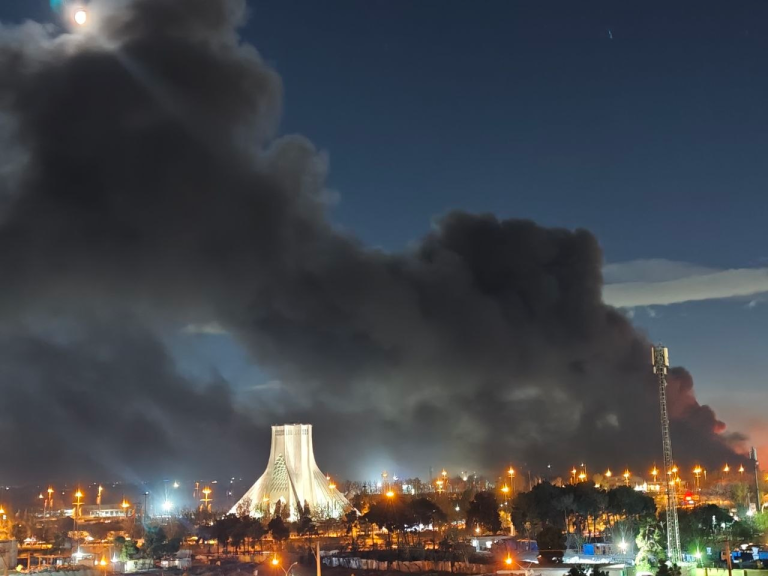
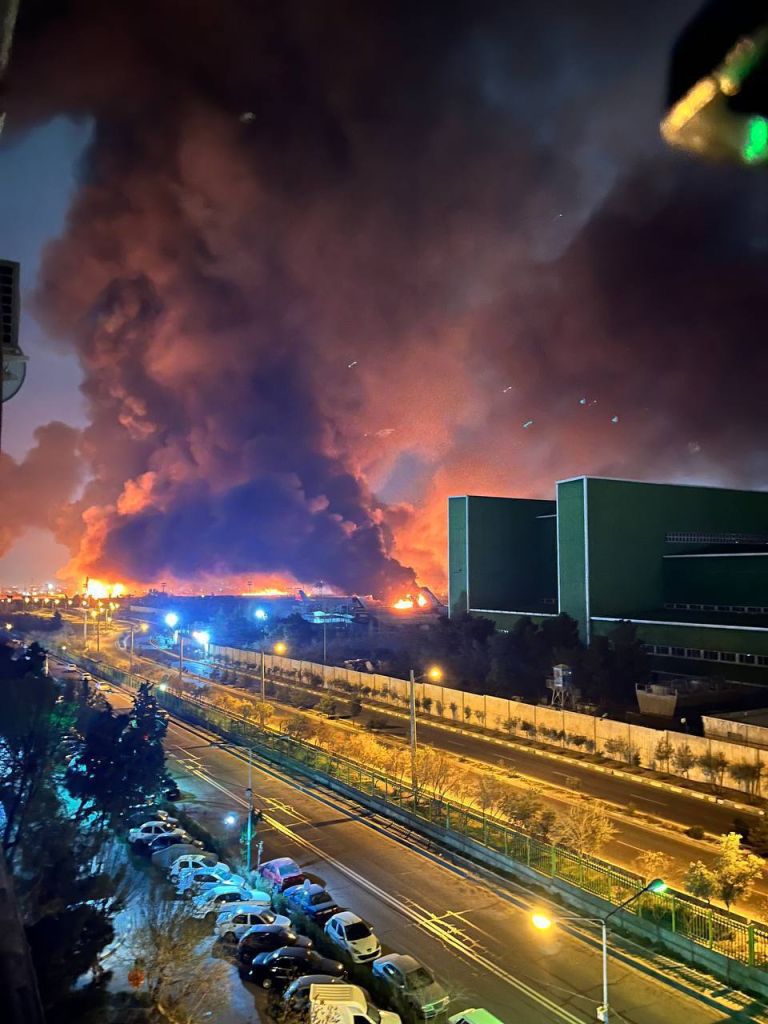
The early phase of the conflict was characterized by cross‑border missile exchanges, US air and cyber operations, Iranian strikes on maritime assets, Israeli pre‑emptive actions, and domestic crackdowns within Iran. These incidents collectively demonstrate a widening conflict environment in which military operations increasingly intersected with civilian life. Missile launches between Iran and Israel, US operations targeting radar networks and command facilities, Iranian actions in the Strait of Hormuz, Israeli strikes on warehouses, convoys, and drone‑assembly sites, and the use of live ammunition and mass arrests within Iran all contributed to a pattern of escalating hostilities with significant civilian implications.
4. Pattern Analysis
The documented incidents reveal several structural features of the conflict: reciprocal escalation between the parties; persistent civilian proximity to military targets; heightened vulnerability of critical infrastructure; information asymmetries affecting civilian risk awareness; and regional spillover through maritime, cyber, and proxy channels. These patterns underscore the need for legal assessment not only of individual strikes but of the cumulative effects of sustained hostilities.
5. Legal Questions for Competent Bodies
The early phase of the conflict raises multiple legal questions requiring examination by competent international bodies. These include compliance with the principles of distinction and proportionality; the foreseeability of civilian harm arising from infrastructure degradation; whether domestic crackdowns meet the threshold for crimes against humanity; the conditions under which individual criminal responsibility may arise; and whether the cumulative effects of the conflict amount to unlawful attacks on civilian objects under the Rome Statute.
About The Author