“Operational‑Legal, Tribunal“
1. Context and Background
The escalation phase of the 2026 Iran war unfolded through a rapid succession of reciprocal military actions by Iran, Israel, and the United States, each operating across air, maritime, cyber, and proxy domains. What began as discrete incidents quickly evolved into a sustained pattern of cross‑border hostilities, transforming the situation into a fully international armed conflict. Although each state publicly framed its conduct as defensive, preventive, or necessary for deterrence, the cumulative effect was an escalation cycle that significantly increased civilian exposure to harm and narrowed the space for diplomatic de‑escalation.
Iran’s operational posture was shaped by a longstanding perception of encirclement and vulnerability of strategic infrastructure, particularly missile sites, energy facilities, and command‑and‑control nodes. Israel’s actions were driven by concerns over Iranian missile development and the activation of regional proxy networks capable of striking Israeli territory. The United States pursued a strategy aimed at force protection, degradation of Iranian military systems, and the disruption of command networks that could threaten US personnel or regional partners. The interaction of these strategic logics produced a conflict environment in which retaliation became the dominant mode of engagement, and where the absence of reliable communication channels heightened the risk of miscalculation.
2. Applicable Legal Standards
The escalation phase is governed by the legal framework of international armed conflict, triggering the full application of the Geneva Conventions of 1949 and Additional Protocol I of 1977. Central obligations include the principles of distinction, proportionality, and precautions in attack, as well as the protection of civilian objects. These rules require parties to distinguish at all times between civilians and combatants, to refrain from attacks expected to cause excessive civilian harm relative to anticipated military advantage, and to take all feasible precautions to minimize incidental harm.
International human rights law continues to apply concurrently, including the ICCPR’s protection of the right to life, the ICESCR’s guarantees related to adequate living conditions, and the Convention on the Rights of the Child, which imposes heightened obligations toward children affected by hostilities. The Rome Statute of the International Criminal Court provides the framework for assessing potential criminal responsibility, including the prohibition on intentionally directing attacks against civilians, attacks on civilian objects, and disproportionate attacks. Where conduct is widespread or systematic, crimes against humanity may also be implicated.
Customary international law reinforces these treaty‑based obligations, particularly the prohibition of indiscriminate attacks, the duty to protect civilian populations, the obligation to avoid unnecessary suffering, and the requirement to prevent escalation when civilian harm is foreseeable. These norms are central to evaluating whether the conduct of the parties during the escalation phase adhered to or deviated from established international legal standards.
3. Documented Escalation Incidents
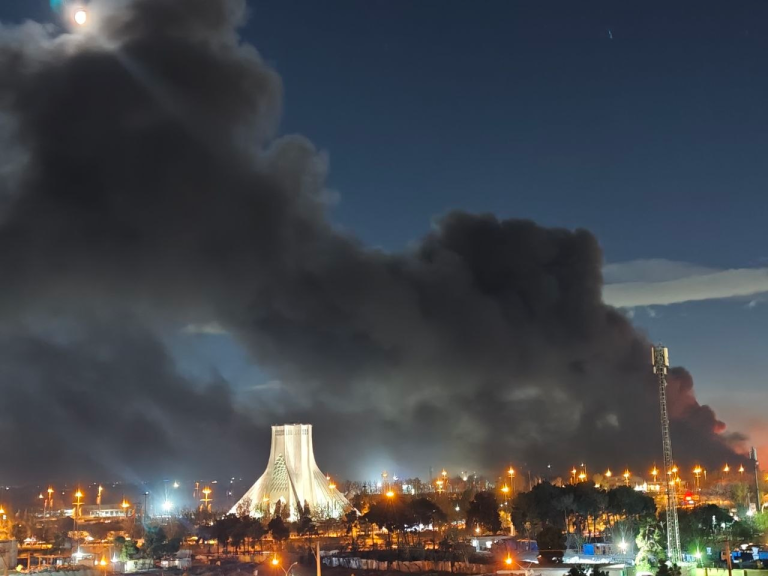
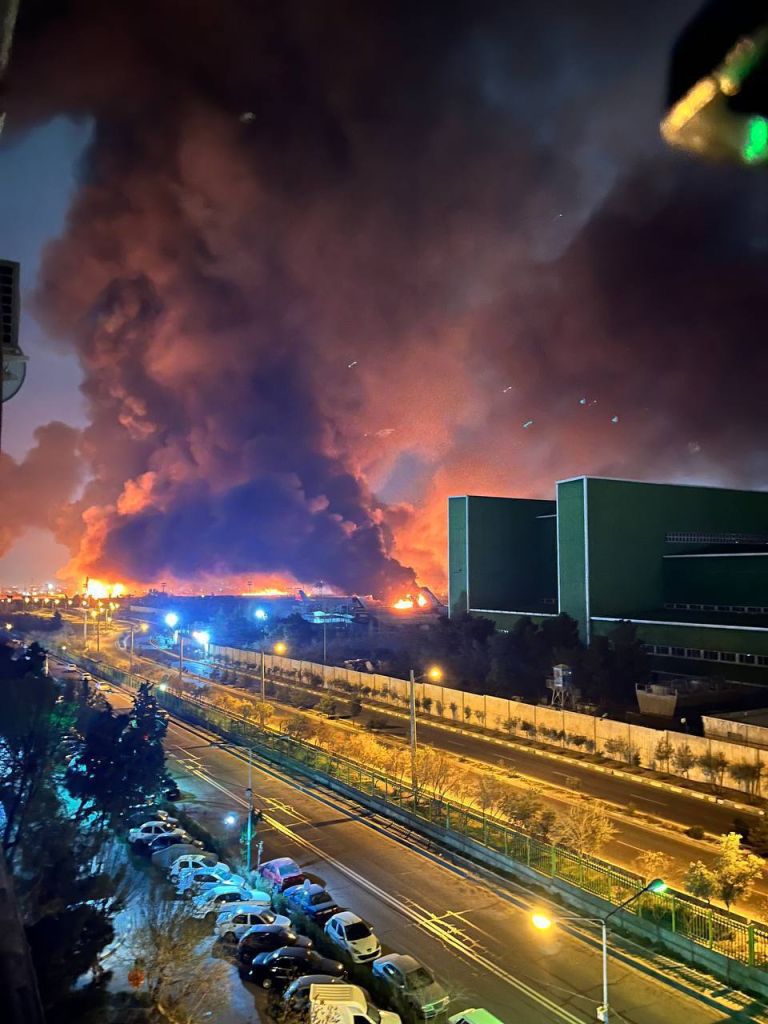
The escalation phase was marked by a series of discrete but interconnected incidents that illustrate the widening scope of hostilities. On 14 January 2026, Iran launched missiles toward northern Israel, prompting Israeli strikes on radar installations near Tabriz the same day. Subsequent Israeli operations on 26 February targeted a suspected missile site in Ardabil, while Iranian retaliatory strikes on 11 March damaged a hospital wing in Tel Aviv, raising immediate concerns regarding the foreseeability of civilian harm.
US–Iran dynamics followed a parallel trajectory. On 27 January, the United States conducted cyber and air operations against radar networks near Bushehr, followed by a 14 February cyber operation that disrupted Iranian emergency communication systems. A further US strike on 5 March targeted a command node near Shiraz, contributing to the degradation of Iranian military infrastructure but also raising questions about the incidental effects on civilian systems.
Maritime escalation in the Strait of Hormuz added a distinct layer of complexity. Iranian naval units fired on a commercial tanker on 5 February, and on 12 March Iran seized a cargo vessel flagged to a US‑allied state. Iranian drones disrupted shipping lanes near Fujairah on 18 February, affecting commercial navigation and heightening risks to civilian maritime traffic.
Regional spillover through proxy actors further expanded the conflict’s geographic footprint. Iranian‑aligned groups launched rockets at US positions near Erbil on 1 March; Israeli jets struck militia sites near Deir ez‑Zor on 7 March; and cross‑border fire intensified between Hezbollah and Israeli forces on 3 March. These incidents underscore the multi‑layered nature of the escalation, in which state and non‑state actors contributed to a widening conflict theatre.
4. Pattern Analysis
Taken together, these incidents reveal a pattern of reciprocal escalation in which actions by one party triggered rapid countermeasures by another. The conflict expanded across multiple domains — air, cyber, maritime, and proxy — creating overlapping risks to civilian populations and infrastructure. Civilian exposure increased not only through direct attacks but also through the degradation of essential services, disruption of maritime commerce, and the activation of proxy networks operating in densely populated areas. The vulnerability of infrastructure, including hospitals, communication systems, and shipping routes, became a defining feature of the escalation phase.
5. Legal Questions for Competent Bodies
The documented incidents raise several legal questions requiring assessment by competent international bodies. These include whether the parties complied with the principles of distinction and proportionality under Additional Protocol I; whether cyber operations foreseeably endangered civilians by disrupting emergency communication systems; whether maritime actions violated protections afforded to civilian shipping; and whether the conduct of proxy forces triggers state responsibility under international law. A further question concerns whether the cumulative pattern of escalation — rather than individual strikes alone — amounts to unlawful attacks on civilian objects or other violations under the Rome Statute.
About The Author