“Operational‑Legal, Tribunal“
1. Context and Background
The scale and diversity of civilian harm during the 2026 Iran war — including deaths, injuries, displacement, infrastructure loss, environmental degradation, and psychological trauma — require a structured assessment of reparations and remedies. International law obligates states to provide redress for violations, and victims have a right to effective remedies regardless of the political or military context. Reparations are not discretionary; they are a legal consequence of internationally wrongful acts.
This section outlines the frameworks, categories, and victim‑centered considerations relevant to any future accountability or redress mechanism. It does not assign responsibility or determine violations. Instead, it identifies the legal pathways and obligations that competent bodies must evaluate.
2. Applicable Legal Standards
International Humanitarian Law (IHL)
Under the Hague Convention IV and customary IHL (Rule 150), states responsible for violations must make full reparation for loss or injury. This includes:
restitution
compensation
rehabilitation
satisfaction
guarantees of non‑repetition
International Human Rights Law (IHRL)
Victims have a right to an effective remedy under:
ICCPR Art. 2(3) — right to an effective remedy
ICESCR — rights to health, housing, and adequate living conditions
CRC — heightened protections for children, including rehabilitation and recovery
Rome Statute of the International Criminal Court
Article 75 empowers the ICC to order reparations, including:
individual reparations
collective reparations
symbolic measures
community rehabilitation
UN Basic Principles on the Right to a Remedy (2005)
These principles define reparations as including:
restitution
compensation
rehabilitation
satisfaction
guarantees of non‑repetition
They also emphasize victim participation and transparency.
3. Documented Harms Requiring Redress
A. Loss of Life and Physical Injury
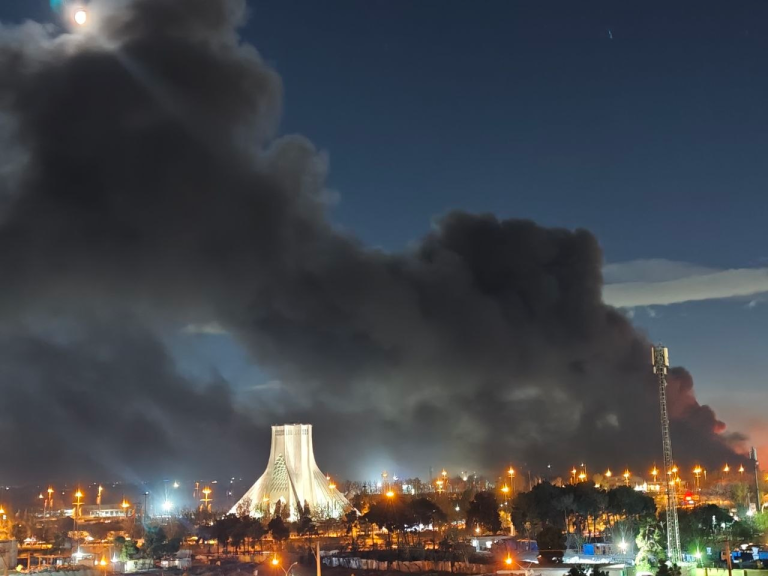
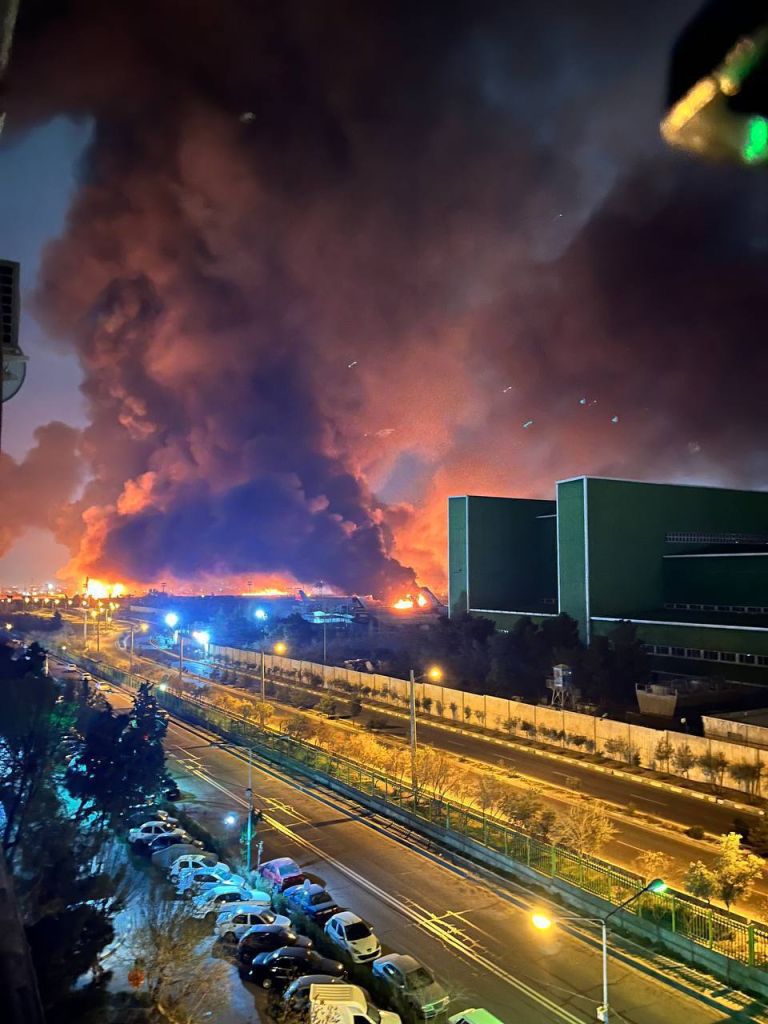
Civilian deaths from missile strikes in Iran and Israel
Injuries from secondary explosions in Shiraz, Yazd, and Tel Aviv
Long‑term disability resulting from infrastructure collapse and delayed emergency response
B. Destruction of Civilian Infrastructure
Homes, schools, hospitals, and water systems damaged or destroyed
Power outages affecting medical care and essential services
Telecommunications disruptions hindering family reunification
C. Environmental and Health Impacts
Toxic emissions from fuel depot strikes
Water contamination from industrial runoff
Long‑term ecological harm affecting livelihoods
D. Psychological and Social Harm
Trauma among children exposed to violence, displacement, and repression
Community‑level psychological distress from repeated strikes and instability
E. Economic and Maritime Losses
Disruption of shipping lanes affecting workers and families
Loss of income due to infrastructure damage and displacement
4. Victim‑Centered Approaches
A legally grounded reparations framework must prioritize victims’ rights and experiences. Key elements include:
A. Participation and Consultation
Victims must be meaningfully involved in designing reparations programs, including children and marginalized groups.
B. Recognition of Diverse Harms
Reparations must address:
physical harm
psychological trauma
environmental damage
economic loss
loss of education
long‑term health impacts
C. Special Protections for Children
Children require:
tailored rehabilitation
psychosocial support
educational reintegration
family reunification mechanisms
D. Transparency and Accountability
Reparations processes must include:
clear eligibility criteria
accessible procedures
public reporting
independent oversight
E. Cross‑Border Considerations
Because harm occurred across multiple states, reparations may require:
bilateral or multilateral mechanisms
regional cooperation
shared environmental remediation
5. Legal Questions for Competent Bodies
Which states bear responsibility for specific categories of harm?
What mechanisms — ICC, UN bodies, domestic courts — have jurisdiction to order reparations?
How should reparations address environmental and long‑term health impacts?
Should collective reparations be prioritized over individual claims?
How can victims participate meaningfully in remedy processes?
What standards should govern cross‑border reparations for maritime and cyber‑related harm?
About The Author