“Operational‑Legal, Tribunal“
1. Context and Purpose
This section synthesizes the findings from Parts I–X and identifies the structural conditions that shaped the 2026 Iran war. It does not assign responsibility or reach legal conclusions. Instead, it outlines the overarching dynamics that produced civilian harm, the multi‑domain nature of the conflict, and the systemic vulnerabilities that remain relevant for future monitoring, accountability, and legal assessment.
The synthesis highlights how kinetic, cyber, maritime, environmental, and domestic security operations interacted to create a conflict environment in which civilian exposure was both widespread and foreseeable. It also identifies the cross‑border and cross‑sectoral patterns that complicate attribution, proportionality assessments, and long‑term recovery.
2. Multi‑Domain Nature of the Conflict
The 2026 Iran war was not confined to traditional battlefield engagements. Instead, it unfolded across five interconnected domains:
A. Kinetic Operations
Missile strikes, airstrikes, artillery fire, and proxy attacks occurred across Iran, Israel, Iraq, Syria, and the Gulf. These operations frequently intersected with civilian areas, dual‑use infrastructure, and essential services.
B. Cyber Operations
Cyber intrusions targeted emergency systems, aviation networks, water infrastructure, and port logistics. These operations produced functional harm without physical destruction, complicating legal classification and proportionality analysis.
C. Maritime Domain
Incidents in the Strait of Hormuz and Gulf of Oman disrupted shipping lanes, threatened coastal ecosystems, and affected regional economies. Maritime instability had direct and indirect civilian consequences.
D. Environmental Harm
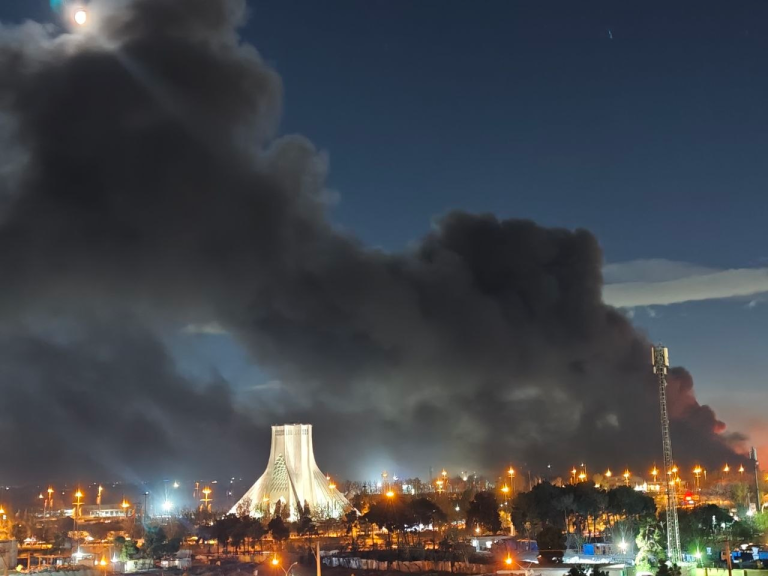
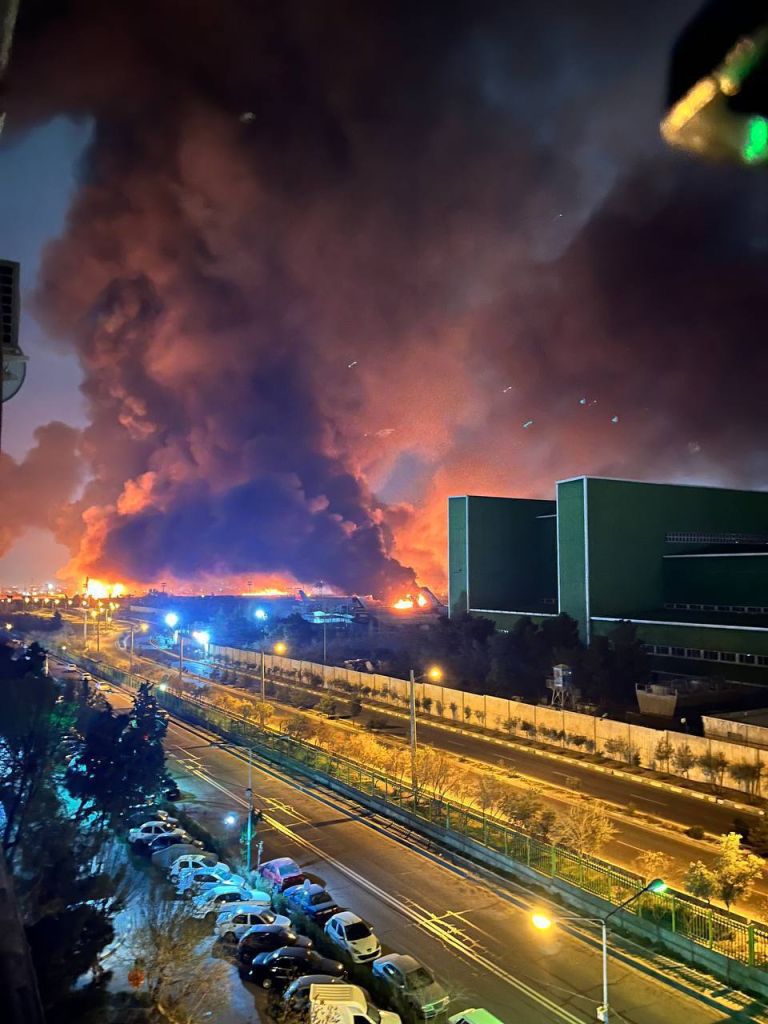
Strikes on fuel depots, industrial zones, and maritime assets produced toxic emissions, water contamination, and long‑term ecological risks. Environmental harm amplified civilian vulnerability and created cross‑border effects.
E. Domestic Security Operations
Crackdowns in Sistan‑Baluchestan, Kurdistan Province, and other regions of Iran exposed civilians — including children — to violence, detention, and rights violations outside the traditional battlefield.
These domains interacted to create a layered conflict environment with cumulative civilian impact.
3. Structural Patterns of Civilian Harm
Across all documented incidents, several structural patterns emerged:
A. Civilian Proximity to Military and Dual‑Use Sites
Many military assets were embedded within or adjacent to civilian infrastructure, increasing the likelihood of incidental harm.
B. Cascading Infrastructure Failures
Damage to water systems, power grids, telecommunications hubs, and industrial zones produced secondary harm that extended far beyond the initial strike.
C. Cyber‑Physical Convergence
Cyber operations amplified the effects of kinetic strikes by degrading emergency response capacity and disrupting essential services.
D. Proxy Activation and Attribution Challenges
Proxy forces expanded the conflict into third‑state territory and complicated assessments of state responsibility.
E. Environmental and Health Impacts
Toxic emissions, water contamination, and ecological disruption created long‑term risks to civilian health and livelihoods.
F. Heightened Impact on Children
Children were disproportionately affected by school closures, hospital disruptions, displacement, and domestic repression.
These patterns underscore the need for integrated legal and humanitarian assessments that account for cumulative and cross‑domain harm.
4. Legal and Institutional Implications
The conflict raises several overarching legal considerations:
A. Proportionality in Multi‑Domain Operations
Traditional proportionality assessments may be insufficient when cyber, environmental, and infrastructure effects interact with kinetic harm.
B. Protection of Dual‑Use Infrastructure
The frequency of strikes on water systems, energy grids, and telecommunications hubs highlights the need for clearer standards governing dual‑use objects.
C. Cyber Operations and IHL
The conflict demonstrates the urgency of clarifying when cyber operations constitute “attacks” and how to assess their civilian impact.
D. Environmental Protection in Armed Conflict
Environmental harm played a central role, raising questions under AP I Articles 35(3) and 55 and under customary environmental law.
E. Accountability for Proxy Forces
The activation of non‑state actors across multiple states requires renewed attention to attribution and state responsibility.
F. Extraterritorial Application of IHRL
Cross‑border strikes and cyber operations implicate human rights obligations beyond national territory.
5. Forward‑Looking Considerations
A. Monitoring and Verification
Future investigative bodies will require:
satellite imagery
digital forensics
environmental sampling
maritime tracking data
access to affected areas
B. Evidence Preservation
States must preserve:
radar logs
cyber forensics
communication records
satellite data
environmental assessments
C. Long‑Term Civilian Protection
Reconstruction and recovery efforts must prioritize:
water and sanitation
healthcare systems
environmental remediation
child protection
infrastructure resilience
D. Regional Stability
The conflict revealed systemic vulnerabilities in maritime security, cyber resilience, and cross‑border crisis management.
About The Author