“By Luxlexa Team”
TEHRAN — Long before the 2025 war sent shockwaves through Iran, another kind of assault had already hollowed out the country from within — one without explosions, without smoke, without the sound of sirens. It was quieter, slower, and in many ways more devastating. It came not from missiles but from policies drafted in distant capitals, enforced through financial systems, and felt most acutely in the homes, hospitals, and markets of ordinary Iranians.
For more than a decade, U.S. sanctions — especially those intensified during the Trump administration — reshaped Iran’s economy, its healthcare system, its social fabric, and its political landscape. They were designed to pressure the government, but the weight fell overwhelmingly on civilians. The sanctions did not simply weaken the state; they restructured daily life, turning basic survival into a political battleground.
This investigation examines how sanctions transformed Iran’s economy into a landscape of scarcity, how they deepened inequality, how they empowered hardliners, and how they left millions of civilians navigating a crisis they did not create. Through testimonies, economic analysis, and on‑the‑ground reporting, it reveals a truth often obscured by geopolitical rhetoric: economic warfare is still warfare — and its casualties are overwhelmingly civilian.
A Slow Violence That Touched Every Home
In a small apartment in southern Tehran, a mother named “Narges” keeps a drawer filled with empty medicine boxes — reminders of treatments she can no longer afford for her 9‑year‑old son, who suffers from a chronic autoimmune disorder. Before sanctions tightened, his medication was subsidized and widely available. Now, she spends hours each week searching pharmacies, calling relatives abroad, and bargaining with black‑market dealers who charge prices she cannot pay.
“I feel like I’m watching him fade,” she said. “Not because of his illness, but because of politics.”
Her story is echoed across the country. Sanctions did not ban medicine outright, but they restricted banking channels, blocked imports, and created a climate of fear among suppliers. Pharmaceutical companies withdrew. Shipping companies refused contracts. Banks avoided transactions. The result was a healthcare system starved of essential supplies.
Doctors described shortages of chemotherapy drugs, insulin, antibiotics, and even basic surgical equipment. Hospitals rationed treatments. Families sold belongings to afford black‑market medicine. Patients died waiting for drugs that once cost a few dollars.
A pediatric oncologist in Isfahan said, “We lost children not to cancer, but to sanctions.”
The Collapse of an Economy
Sanctions targeted Iran’s oil exports, banking system, shipping industry, and access to global markets. The impact was immediate and severe. Inflation soared. The currency collapsed. Factories closed. Unemployment rose. Savings evaporated.
In the industrial city of Karaj, a factory worker named “Majid” described the day he lost his job. “The manager called us in and said the company couldn’t import parts anymore,” he said. “We were told to go home and wait. We’re still waiting.”
His wife, a seamstress, saw her income disappear as the price of fabric doubled. Their rent increased. Their savings shrank. Their daughter dropped out of university because tuition became unaffordable.
“We used to worry about the future,” he said. “Now we worry about tomorrow.”
Sanctions did not simply weaken the economy; they reshaped it. The middle class — once a stabilizing force — shrank dramatically. Poverty deepened. Inequality widened. Corruption flourished as black‑market networks filled the gaps left by collapsing industries.
The Politics of Pressure
Sanctions were intended to weaken the Iranian government, but their political impact was far more complex. While ordinary Iranians struggled, the state adapted. Hardliners used the crisis to consolidate power, arguing that resistance — not reform — was the only viable path.
The IRGC expanded its control over key industries, from construction to telecommunications. Smuggling networks linked to the security apparatus thrived. State‑aligned companies gained monopolies as foreign competitors withdrew. The government framed economic hardship as the price of sovereignty, turning sanctions into a tool of political narrative.
A former reformist official said, “Sanctions did not weaken the regime. They weakened the people who opposed it.”
The freedom movement, which had gained momentum in the years before the war, found itself suffocated by economic desperation. Activists struggled to organize when families were focused on survival. Protests became harder to sustain when transportation costs soared and food prices doubled.
Sanctions did not create repression, but they made resistance harder.
The Human Geography of Scarcity
In the city of Ahvaz, a father named “Karim” described how sanctions reshaped even the most basic routines. “We used to buy meat once a week,” he said. “Now it’s once a month. Sometimes not at all.”
His children drink tea instead of milk. His wife waters down yogurt to make it last. Electricity cuts have become more frequent. The price of cooking oil has tripled. The cost of rice — a staple — has doubled.
“We are not living,” he said. “We are surviving.”
In rural areas, the impact was even more severe. Farmers struggled to afford fertilizer and machinery. Water shortages worsened as infrastructure deteriorated. Young people migrated to cities in search of work, only to find unemployment and rising rents.
Sanctions did not fall evenly. They hit the poor hardest, the vulnerable first, and the marginalized most deeply.
Healthcare in Crisis
Perhaps nowhere were the effects of sanctions more visible than in Iran’s hospitals. Doctors described a system stretched to its breaking point. Surgeries were delayed due to shortages of anesthesia. Dialysis centers rationed supplies. Cancer patients were placed on waiting lists that grew longer each month.
A cardiologist in Shiraz said, “We are practicing medicine with our hands tied.”
Families resorted to desperate measures. Some traveled to neighboring countries for treatment. Others relied on relatives abroad to smuggle medicine. Many simply went without.
The psychological toll was immense. Parents felt helpless. Patients felt abandoned. Doctors felt complicit in a system they could not fix.
A nurse in Tehran said, “Every day, we watch people die who could have been saved.”
The Sanctions Paradox
Sanctions were designed to pressure the Iranian government into changing its policies. But the paradox is clear: the more the economy collapsed, the more the state tightened its grip.
Economic desperation made dissent riskier. Poverty made protest harder. Scarcity made people dependent on state‑controlled networks for survival. Hardliners used the crisis to justify repression, arguing that national security required unity and obedience.
Sanctions did not weaken the regime. They weakened civil society.
The War That Followed
When the 2025 war erupted, Iran was already on its knees. The economy was fragile. Hospitals were strained. Families were exhausted. The freedom movement was struggling to maintain momentum.
The war did not create the crisis — it exposed it.
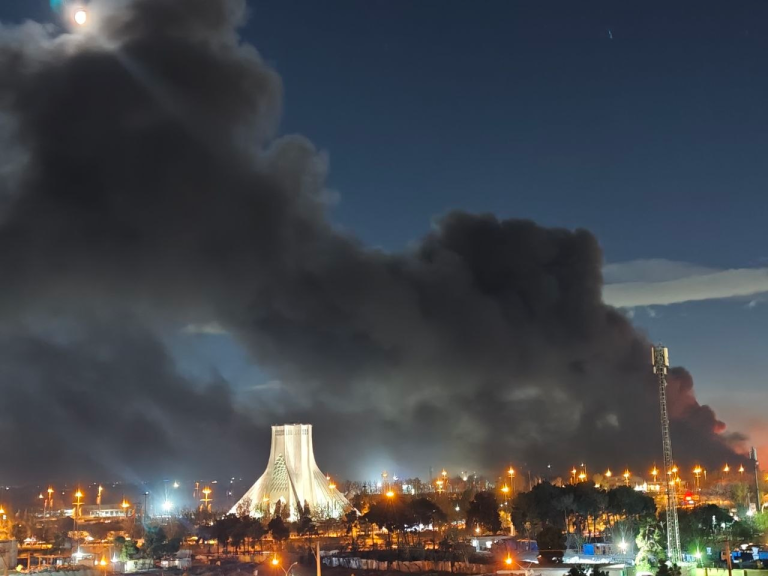
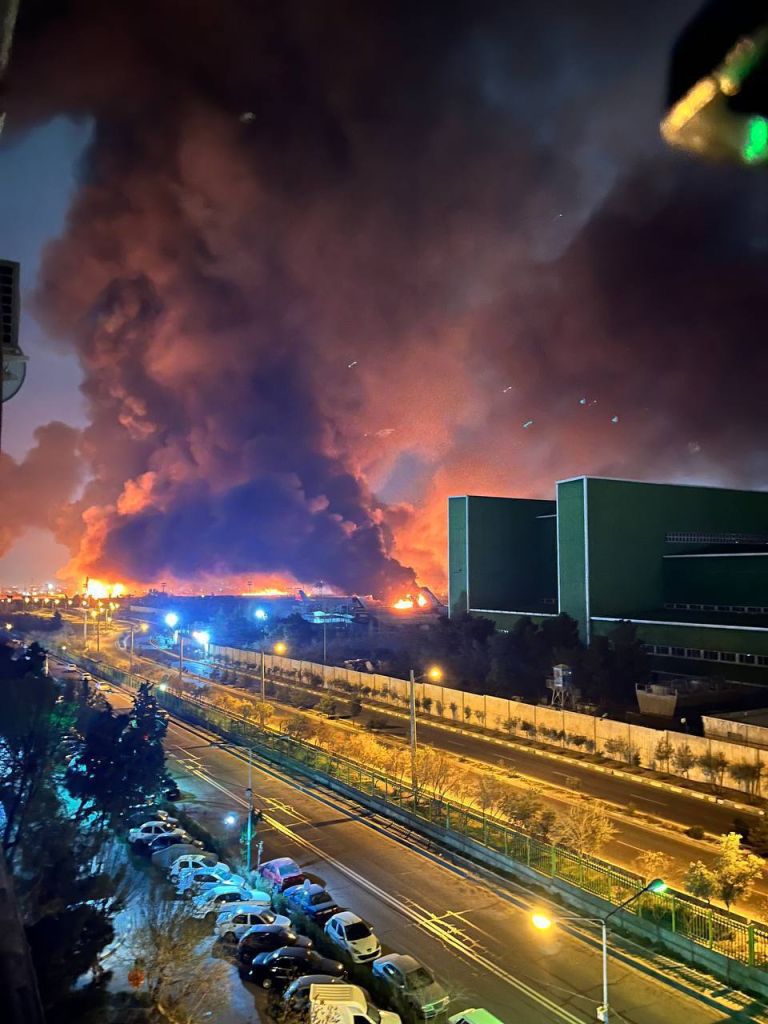
Airstrikes damaged infrastructure already weakened by years of underinvestment. Displacement increased. Prices surged. The government blamed foreign enemies, but civilians bore the burden.
A teacher in Mashhad said, “Sanctions broke us. The war finished the job.”
A Nation Reshaped
The long‑term impact of sanctions is visible in every corner of Iranian life:
in the empty shelves of pharmacies
in the shuttered factories of industrial cities
in the shrinking middle class
in the rising poverty
in the despair of young people who see no future
Sanctions did not simply pressure a government. They reshaped a nation.
The Human Cost Behind the Policy
Behind every economic indicator lies a human story — a mother searching for medicine, a worker laid off from a factory, a student forced to abandon her education, a doctor unable to save a patient, a family choosing between food and rent.
These stories reveal a truth often missing from policy debates: economic warfare is not abstract. It is lived in the bodies, homes, and futures of ordinary people.
About The Author