“Operational‑Legal, Tribunal“
1. Context and Background
Environmental and ecological harm emerged as a significant dimension of the 2026 Iran war, affecting air quality, water systems, soil integrity, coastal ecosystems, and industrial zones across multiple states. Although environmental damage is often treated as a secondary consequence of armed conflict, the incidents documented during this period demonstrate that ecological degradation produced direct and indirect civilian harm, including contamination of drinking water, respiratory illness, agricultural disruption, and long‑term risks to public health.
Military operations by Iran, Israel, and the United States targeted or incidentally affected fuel depots, petrochemical facilities, maritime corridors, and energy infrastructure. These sites were often located near civilian populations or within interconnected environmental systems, making ecological harm a foreseeable outcome of hostilities. The cumulative effects extended beyond national borders, particularly in maritime zones and shared ecosystems.
2. Applicable Legal Standards
International Humanitarian Law (IHL)
Additional Protocol I, Articles 35(3) and 55, prohibit methods or means of warfare expected to cause widespread, long‑term, and severe damage to the natural environment. Parties must take feasible precautions to avoid environmental harm and refrain from attacks likely to produce toxic releases or ecological collapse.
International Environmental Law
Relevant principles include the Stockholm Declaration (1972), Rio Declaration (1992), and customary norms on transboundary environmental harm. States must prevent significant environmental damage and ensure that military operations do not cause irreversible ecological harm.
Rome Statute of the International Criminal Court
Article 8(2)(b)(iv) prohibits attacks causing excessive incidental damage to the natural environment relative to anticipated military advantage. Environmental destruction may also contribute to crimes against humanity where it forms part of a widespread or systematic attack on civilians.
Customary International Law
Customary norms reinforce the duty to protect the environment during armed conflict, including the prohibition of unnecessary destruction and the obligation to consider environmental consequences in proportionality assessments.
3. Documented Environmental Incidents
A. Maritime and Coastal Harm
5 February — Strait of Hormuz: Iranian naval fire on a commercial tanker caused an oil leak affecting marine habitats and coastal fisheries.
18 February — Fujairah maritime zone: Drone activity disrupted shipping, increasing the risk of hazardous material spills.
B. Air and Soil Contamination
9 March — Isfahan: Israeli strikes on fuel depots released toxic smoke and particulate matter, contaminating agricultural zones and affecting air quality.
Shiraz and Yazd: Secondary explosions from strikes on command nodes released chemical pollutants into surrounding soil.
C. Water System Impacts
6 March — Qom: US cruise missiles damaged industrial shops, causing chemical runoff into local waterways.
1 March — UAE desalination corridor: Iranian strikes threatened coastal desalination plants, raising concerns about regional water security.
D. Industrial and Energy Infrastructure
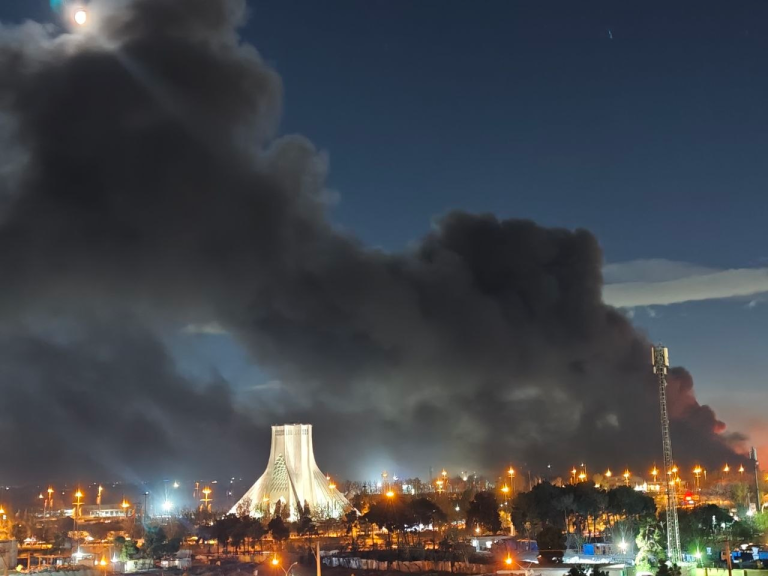
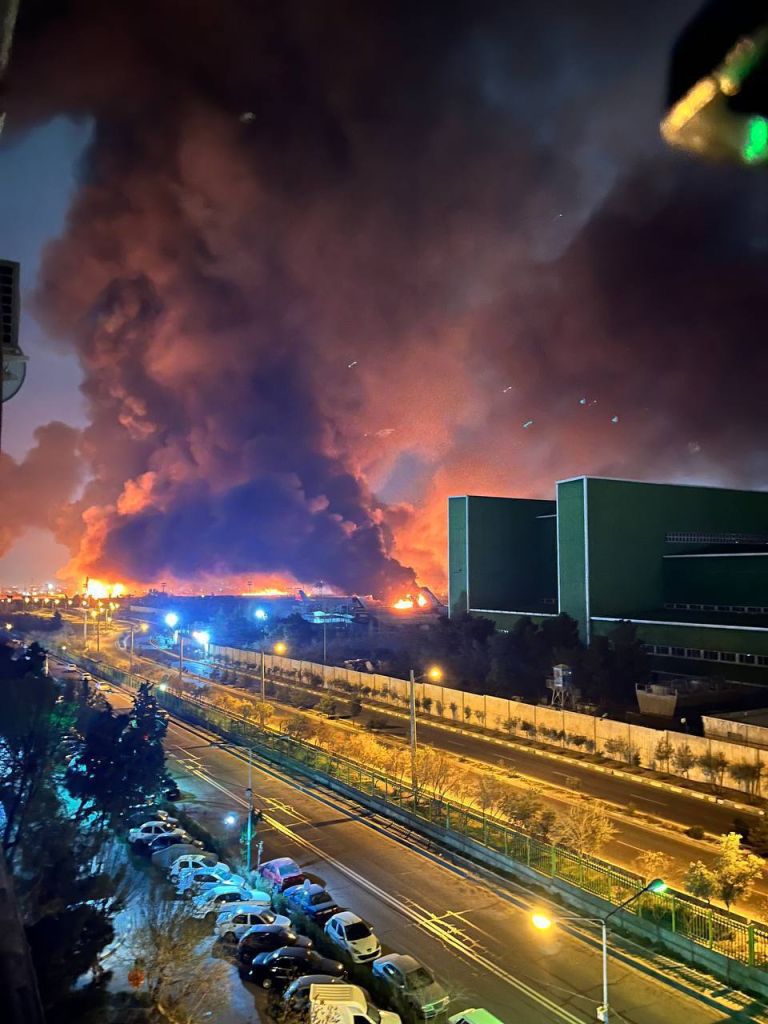
Fires at petrochemical facilities in Iran and damage to energy storage sites in Israel produced toxic emissions and long‑term ecological risks.
4. Pattern Analysis
Environmental harm followed several identifiable patterns:
Foreseeable toxic releases: Strikes on fuel and petrochemical sites produced predictable emissions and contamination.
Maritime vulnerability: Shipping lanes carrying hazardous materials were repeatedly exposed to military activity.
Cross‑border ecological effects: Pollution and water contamination affected multiple states.
Secondary civilian harm: Environmental degradation contributed to respiratory illness, water insecurity, and agricultural loss.
Long‑term risks: Soil contamination and coastal ecosystem damage may produce delayed civilian impacts.
These patterns demonstrate that environmental harm was not incidental but structurally embedded in the conduct of hostilities.
5. Legal Questions for Competent Bodies
Did parties assess environmental risk before striking industrial or maritime targets?
Did any attack violate AP I Articles 35(3) or 55 by causing widespread, long‑term, or severe environmental damage?
How should environmental harm be incorporated into proportionality assessments?
Do maritime incidents constitute transboundary environmental harm under customary international law?
Could cumulative environmental damage contribute to findings under Rome Statute Article 8(2)(b)(iv)?
About The Author