“By Luxlexa Team”
TEHRAN — When the first missiles crossed the sky in early 2025, few understood how profoundly the conflict would reshape not only Iran’s political landscape but the entire architecture of power in the Middle East. What began as a rapid escalation between Israel and Iran quickly evolved into a regional crisis that exposed the fragility of alliances, the limits of diplomacy, and the vulnerability of millions of civilians caught between governments, militaries, and global powers.
For Iranians, the war was not simply a geopolitical event. It was a rupture — a moment when the world’s long‑standing tensions converged on their homes, their streets, their hospitals, and their futures. It was a conflict that magnified every existing pressure: sanctions, repression, economic collapse, and social unrest. And it was a conflict that, in the end, strengthened the very forces inside Iran that many citizens had been fighting to dismantle.
This investigation examines how the 2025 war unfolded, how it reshaped regional dynamics, and how its consequences reverberated through the lives of ordinary Iranians. Through testimonies, expert analysis, and on‑the‑ground reporting, it reveals a conflict that did not begin in 2025 — and did not end when the missiles stopped.
A War Years in the Making
The seeds of the 2025 conflict were planted long before the first airstrike. Years of covert operations, cyberattacks, assassinations, and proxy battles had created a landscape where escalation was not a question of if, but when. The region had become a chessboard where Iran, Israel, the United States, and various regional actors maneuvered for influence, often at the expense of stability.
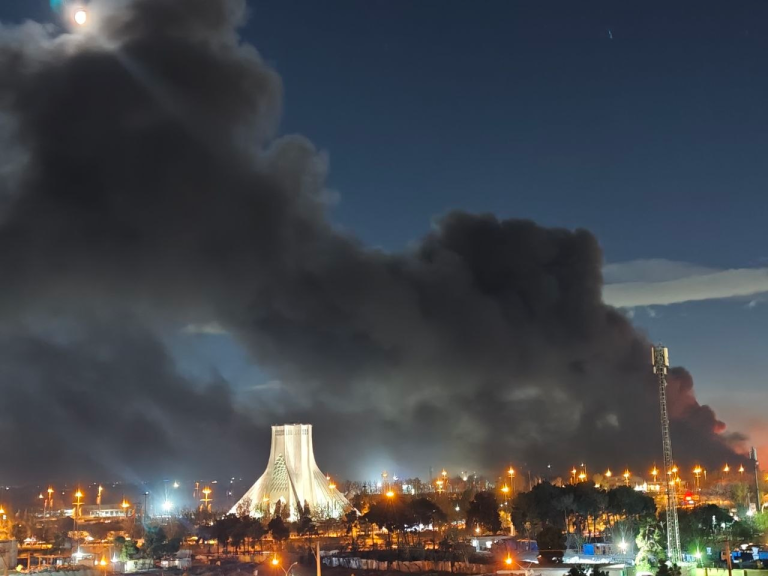
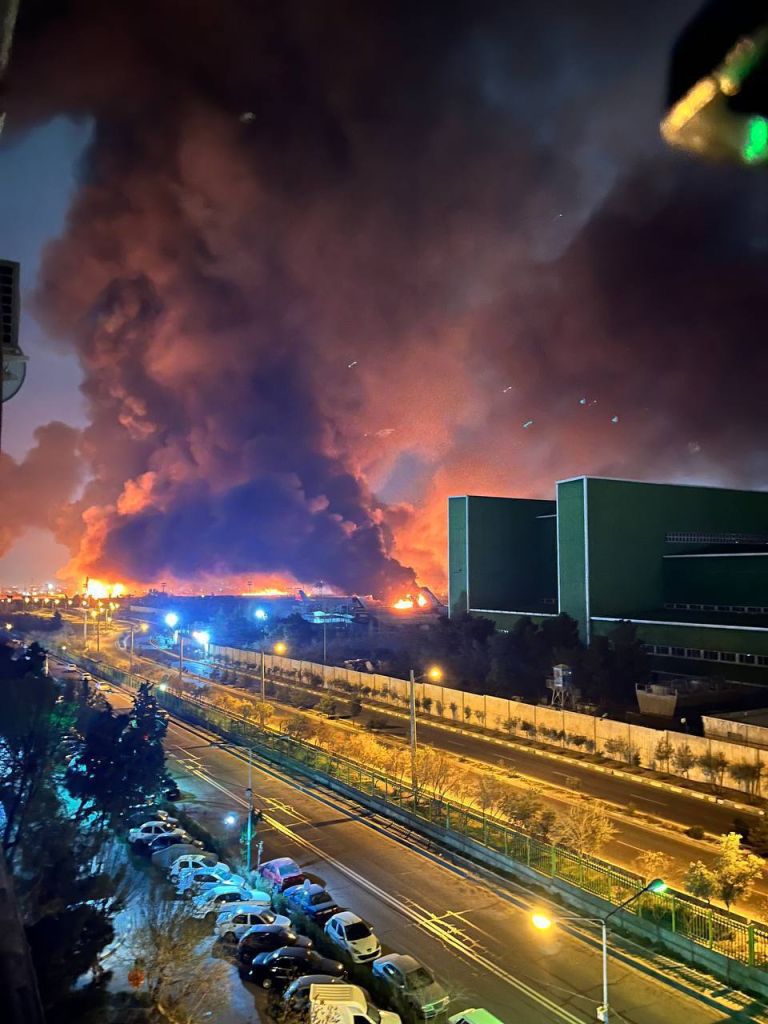
When the war finally erupted, it did so with a speed that stunned even seasoned analysts. Israeli strikes targeted Iranian military infrastructure. Iran responded with missile launches. Regional militias aligned with Tehran mobilized. The United States issued warnings but avoided direct involvement. Gulf states braced for spillover. Oil markets convulsed. Diplomats scrambled.
For civilians, the geopolitical calculations meant little. What they experienced was fear — sudden, disorienting, and overwhelming.
The View From the Ground
In the city of Kermanshah, a taxi driver named “Farid” recalled the night the first explosions hit. He had just finished a late shift and was driving home when the sky lit up. “It was like the air itself cracked open,” he said. “I didn’t think about politics. I thought about my children.”
In Tehran, a nurse named “Leila” described the chaos inside her hospital. “We had no warning,” she said. “Patients were screaming. Windows shattered. We were treating injuries in the dark. The generators failed twice.”
In Tabriz, a shopkeeper named “Hossein” said he spent the night in his basement with his elderly mother. “She kept asking if the war was coming to our street,” he said. “I didn’t know how to answer.”
These stories, repeated across cities and provinces, reveal a truth often missing from geopolitical analysis: wars are not fought on maps. They are fought in the lives of ordinary people.
A Region Rewired
The 2025 war did not remain confined to Iran and Israel. It rippled outward, reshaping alliances and exposing fractures.
In the Gulf, governments feared economic collapse and sought to distance themselves from the conflict while quietly preparing for worst‑case scenarios. In Iraq and Syria, militias aligned with Iran mobilized, raising fears of a broader regional confrontation. In Washington, policymakers debated how far to intervene without triggering a larger war. In Europe, leaders issued statements urging restraint while bracing for energy shocks.
The conflict revealed a Middle East where traditional alliances were weakening and new power centers were emerging. It exposed the limits of deterrence and the dangers of miscalculation. And it underscored how deeply Iran’s fate is intertwined with regional dynamics — and how little control ordinary Iranians have over decisions made far from their homes.
The War at Home: A Nation Already Under Strain
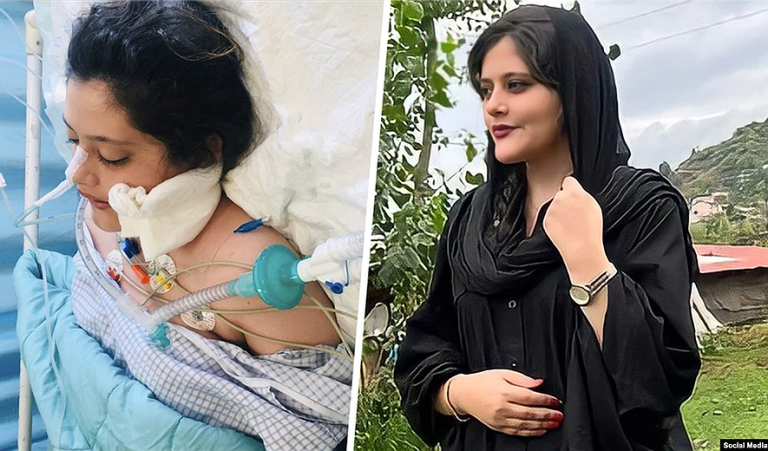
By the time the war began, Iran was already in crisis. Years of sanctions had devastated the economy. Inflation had eroded savings. Medicine shortages had become deadly. The Woman, Life, Freedom movement had shaken the regime and inspired millions. The government responded with repression, arrests, and executions.
The war did not arrive in a vacuum. It arrived in a country exhausted, fractured, and vulnerable.
For many Iranians, the conflict felt like the final blow in a long series of crises. “We were already drowning,” said a teacher in Shiraz. “The war pushed us under.”
The psychological toll was immense. Parents struggled to reassure children who woke screaming from nightmares. Elderly residents feared a return to the horrors of the Iran‑Iraq War. Young people, already disillusioned, saw their futures shrink even further.
A psychologist in Tehran described a surge in patients experiencing panic attacks, insomnia, and hypervigilance. “People felt like the ground beneath them was unstable,” she said. “Every sound became a threat.”
The Regime’s Response: Crisis as Opportunity
Inside Iran, the war became a political tool. Hardliners framed the conflict as proof that the nation was under attack and that unity was essential. Criticism became “collaboration with the enemy.” Dissent became “destabilization.” Activism became “national security threats.”
The government expanded surveillance, tightened censorship, and increased arrests. Universities were placed under stricter control. Journalists were detained. Social media was throttled. The IRGC gained new authority.
The war did not weaken the regime. It strengthened it.
For activists, the timing was devastating. The freedom movement, which had gained unprecedented momentum in 2022 and 2023, found itself suffocated by fear, surveillance, and the overwhelming demands of survival.
A student organizer in Isfahan said, “We were building something. The war broke it.”
The International Response: Sympathy Without Support
Around the world, governments issued statements expressing concern for civilian casualties and calling for de‑escalation. But beyond diplomatic language, little was done to protect civilians or address the humanitarian consequences.
For many Iranians, the international response felt hollow. “They talk about human rights,” said a woman in Mashhad. “But when we are bombed, when we are starving, when we are arrested — they look away.”
The war exposed a painful truth: Iran’s civilians are often treated as collateral in geopolitical conflicts, their suffering acknowledged but rarely addressed.
A Conflict That Changed Everything — and Nothing
When the missiles stopped, the damage remained. Homes were destroyed. Infrastructure was crippled. Families were displaced. The economy was further weakened. The psychological scars ran deep.
But the political landscape inside Iran had shifted in ways that would outlast the war. Hardliners emerged stronger. Reformists were sidelined. Civil society was weakened. The freedom movement lost momentum.
The war did not resolve the region’s tensions. It did not bring stability. It did not empower civilians. Instead, it reinforced the very structures of power that many Iranians had been fighting to dismantle.
The Human Cost Behind the Headlines
Behind every geopolitical analysis lies a human story — a family hiding in a basement, a nurse working through the night without electricity, a student whose dreams were interrupted by fear, a mother who lost her son to an execution justified by “national security.”
These stories form the heart of this investigation. They reveal a truth often obscured by political rhetoric: wars are not fought by governments. They are endured by people.
About The Author