“By Luxlexa Team”
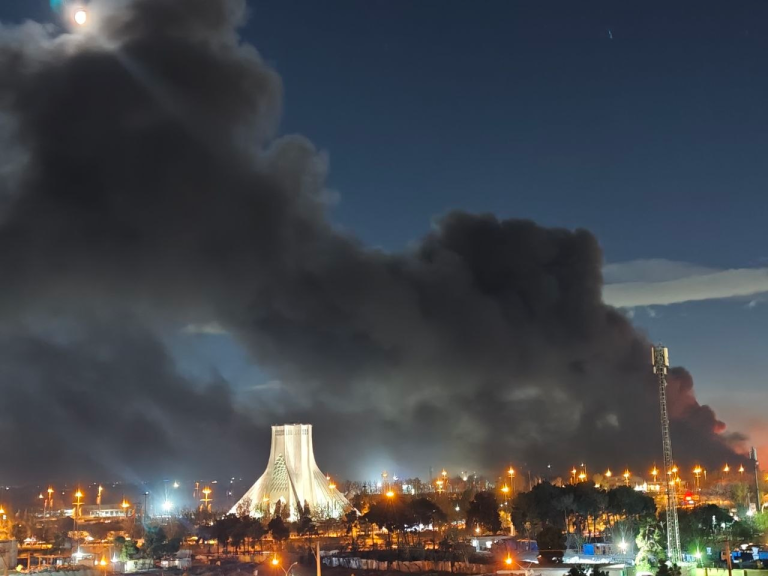
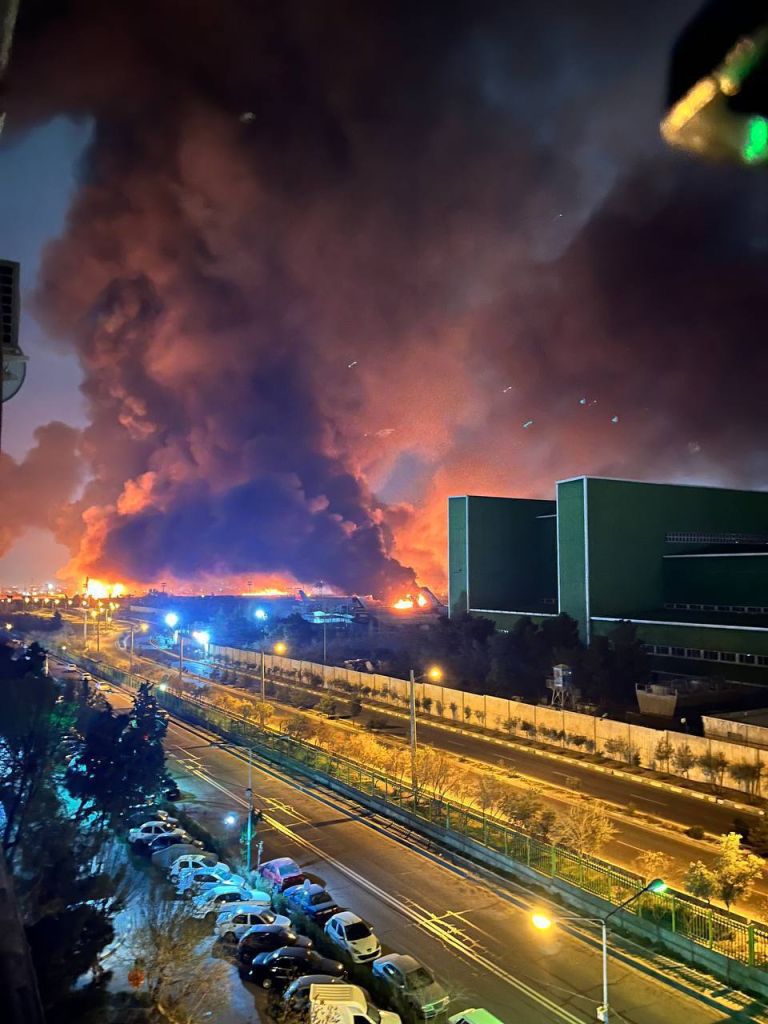
TEHRAN — The first explosion arrived without warning. A flash of white light tore across the sky above western Iran, followed by a shockwave that rattled windows from Kermanshah to Sanandaj. It was just after 3:00 a.m., the hour when most of the country slept, when the streets were quiet, when families were tucked into the fragile safety of their homes. Within minutes, that safety shattered.
For many Iranians, the 2025 Israeli airstrikes were not a distant geopolitical event. They were a violent intrusion into bedrooms, hospitals, schools, and daily life. They were the moment when global tensions — years in the making — crashed directly into the lives of ordinary people who had no say in the decisions that led to war.
This investigation traces how the airstrikes reshaped civilian life across Iran: the physical destruction, the psychological trauma, the economic shockwaves, and the political consequences that strengthened the very forces many Iranians had been fighting to resist. Through testimonies, expert analysis, and on‑the‑ground reporting, it reveals a truth often lost in strategic calculations: wars may be planned by governments, but they are lived by civilians.
The Night the Sky Broke Open
In Kermanshah, a taxi driver named “Arash” was returning home from a late shift when the first blast hit. “The sky turned white,” he said. “It felt like the air itself cracked open.” He abandoned his car and ran toward his apartment building, where his wife and two daughters were asleep. “I didn’t think about politics,” he said. “I thought about my children.”
In Tehran, a nurse named “Leila” described the chaos inside her hospital. “The windows shattered. The lights went out. Patients were screaming,” she said. “We were treating injuries with flashlights. The generators failed twice.”
In Tabriz, a grandmother named “Fariba” spent the night in her basement with her grandchildren. “They kept asking if the war was coming to our house,” she said. “I didn’t know how to answer.”
These stories, repeated across cities and provinces, reveal the human reality behind the headlines. The airstrikes were not abstract. They were intimate, immediate, and terrifying.
A Country Already Under Strain
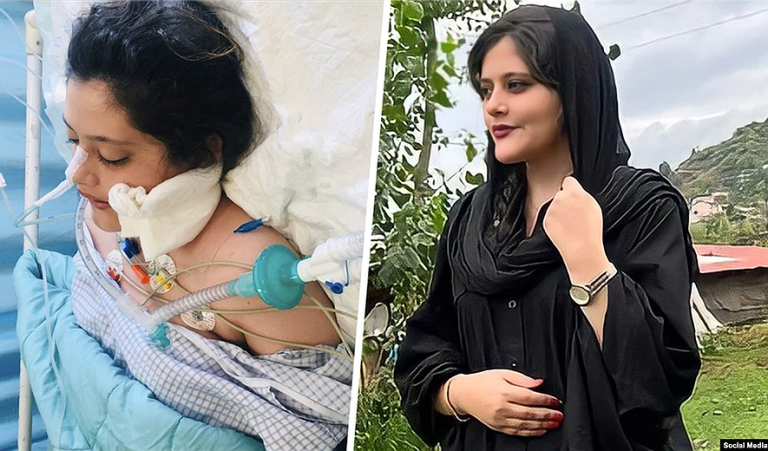
By the time the airstrikes began, Iran was already in crisis. Years of sanctions had devastated the economy. Medicine shortages had become deadly. Inflation had eroded savings. The Woman, Life, Freedom movement had shaken the regime and inspired millions. The government responded with repression, arrests, and executions.
The airstrikes did not arrive in a vacuum. They arrived in a country exhausted, fractured, and vulnerable.
A teacher in Shiraz said, “We were already drowning. The bombs pushed us under.”
The psychological toll was immense. Children woke screaming from nightmares. Elderly residents feared a return to the horrors of the Iran‑Iraq War. Young people, already disillusioned, saw their futures shrink even further.
A psychologist in Tehran described a surge in patients experiencing panic attacks, insomnia, and hypervigilance. “People felt like the ground beneath them was unstable,” she said. “Every sound became a threat.”
Infrastructure in Ruins
While military sites were the stated targets, the strikes damaged civilian infrastructure across multiple provinces. Power grids failed. Water systems collapsed. Roads cracked. Hospitals lost electricity. Communication networks flickered.
In some neighborhoods, families lined up for bottled water as municipal systems struggled to recover. Refrigerated medicine spoiled. Dialysis centers shut down. Clinics treated patients in hallways lit by battery‑powered lamps.
A doctor in Tabriz said, “We were practicing medicine in conditions I had only seen in disaster zones.”
The damage was not uniform, but it was widespread. And for many families, the disruption lasted long after the smoke cleared.
The Economic Shockwaves
The airstrikes deepened an already severe economic crisis. Markets closed. Prices surged. Insurance claims overwhelmed local offices. Small businesses shuttered. Transportation networks were disrupted. Factories halted production.
A shopkeeper in Tehran said, “We were already struggling. The bombs made everything worse.”
For families already living on the edge, the airstrikes pushed them into desperation. Rent increased. Food prices doubled. Medicine became even harder to find. Jobs disappeared.
Sanctions had weakened the economy. The airstrikes fractured what remained.
The Political Consequences: A Gift to Hardliners
Inside Iran, the airstrikes became a political weapon. Hardliners framed the attacks as proof that the nation was under siege and that unity was essential. Criticism became “collaboration with the enemy.” Dissent became “destabilization.” Activism became “national security threats.”
The government expanded surveillance, tightened censorship, and increased arrests. Universities were placed under stricter control. Journalists were detained. Social media was throttled. The IRGC gained new authority.
The airstrikes did not weaken the regime. They strengthened it.
A student organizer in Isfahan said, “We were building something. The war broke it.”
The freedom movement — which had gained unprecedented momentum in 2022 and 2023 — found itself suffocated by fear, surveillance, and the overwhelming demands of survival.
The International Response: Words Without Protection
Around the world, governments issued statements expressing concern for civilian casualties and calling for restraint. But beyond diplomatic language, little was done to protect civilians or address the humanitarian consequences.
For many Iranians, the international response felt hollow. “They talk about human rights,” said a woman in Mashhad. “But when we are bombed, when we are starving, when we are arrested — they look away.”
The airstrikes exposed a painful truth: Iran’s civilians are often treated as collateral in geopolitical conflicts, their suffering acknowledged but rarely addressed.
A Conflict That Changed Everything — and Nothing
When the missiles stopped, the damage remained. Homes were destroyed. Infrastructure was crippled. Families were displaced. The economy was further weakened. The psychological scars ran deep.
But the political landscape inside Iran had shifted in ways that would outlast the war. Hardliners emerged stronger. Reformists were sidelined. Civil society was weakened. The freedom movement lost momentum.
The airstrikes did not resolve the region’s tensions. They did not bring stability. They did not empower civilians. Instead, they reinforced the very structures of power that many Iranians had been fighting to dismantle.
The Human Cost Behind the Headlines
Behind every geopolitical analysis lies a human story — a family hiding in a basement, a nurse working through the night without electricity, a student whose dreams were interrupted by fear, a mother who lost her son to an execution justified by “national security.”
These stories form the heart of this investigation. They reveal a truth often obscured by political rhetoric: wars are not fought by governments. They are endured by people.
About The Author